How Do You Ask for Help With Your Mental Health?
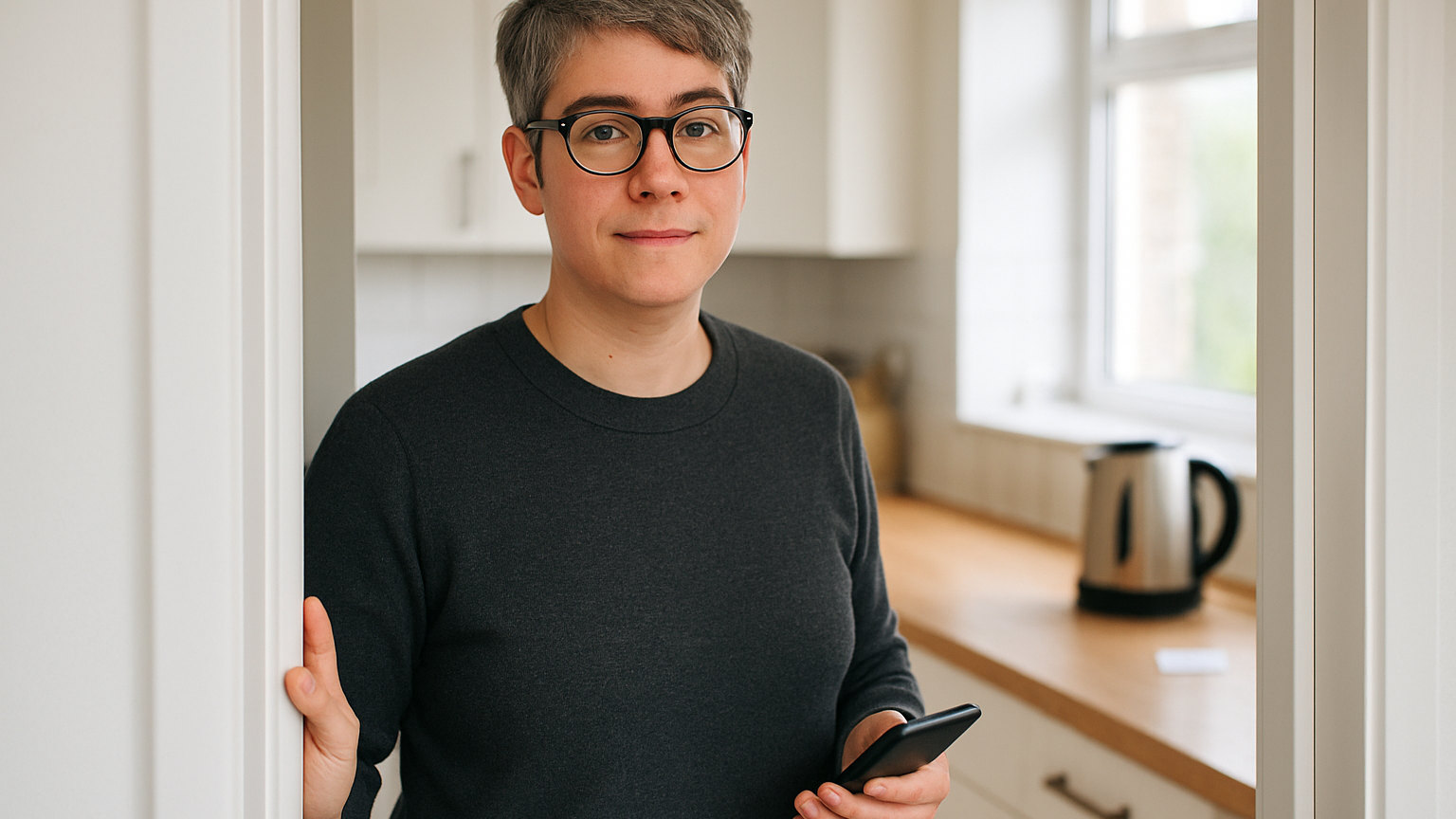
The first sentence is the hardest part, and having it decided in advance removes most of what stops people.
By Mental Health Guide Editorial
27 Feb 2026

The gap between deciding to get help and actually getting it is where most people stall, usually because nobody explains what the routes are. In England you can refer yourself to NHS Talking Therapies without going through a GP at all, which removes the step people most often postpone, and the other UK nations have their own equivalents. These guides cover what each type of therapy involves, what medication does and does not do, how to find a properly registered therapist privately, and where to turn when something cannot wait. If you need to talk to someone now, Samaritans are on 116 123, day or night.
The first sentence is the hardest part, and having it decided in advance removes most of what stops people.
Cognitive distortions are recurring patterns of biased thinking, and recognising your own two or three does more than memorising the full list.
Crisis teams exist to support people at home as an alternative to hospital, and most people do not know they can be contacted directly.
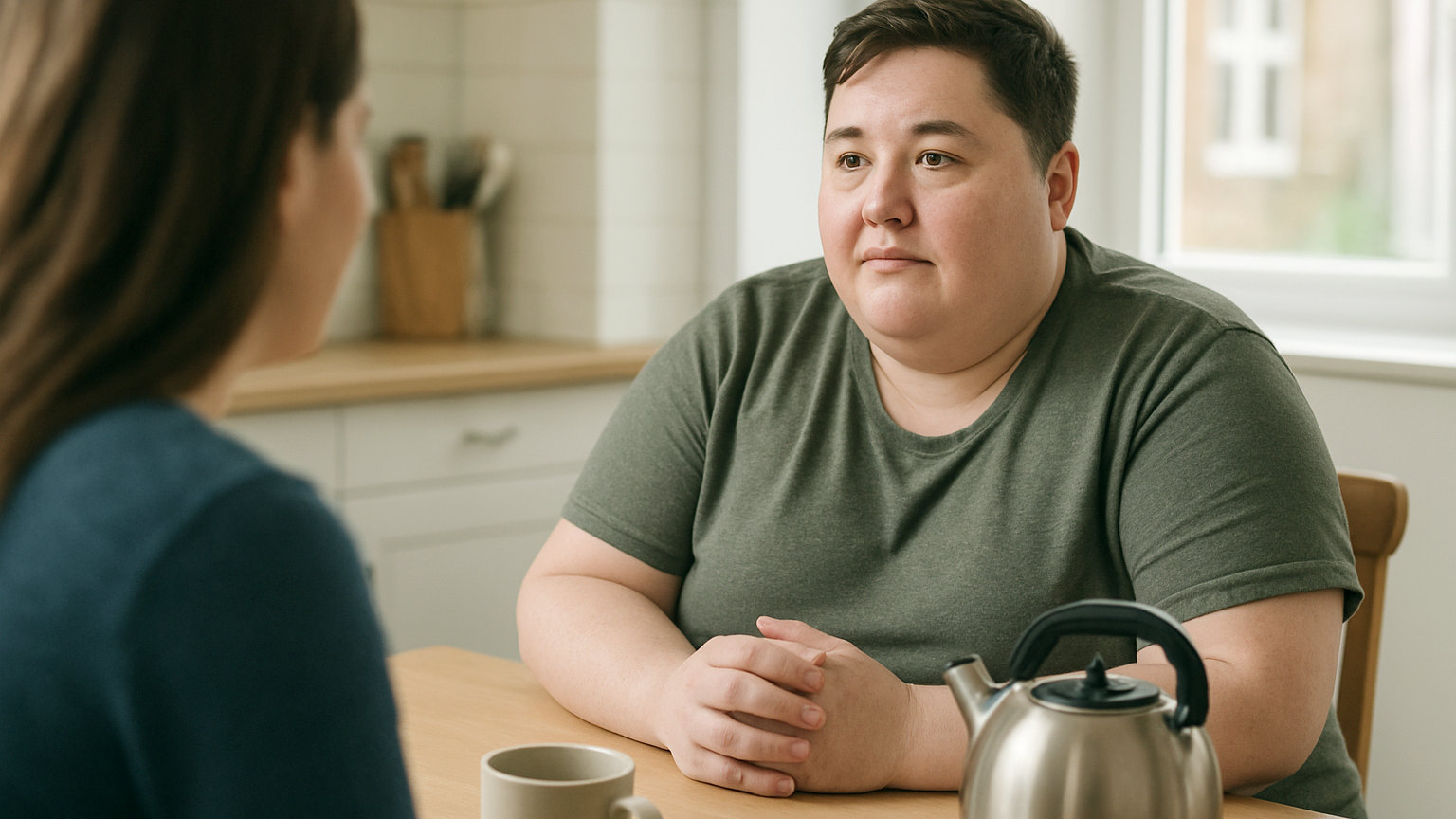
Counselling sessions have less visible structure than other therapies, which is deliberate and is the thing people find most disorienting at first.
The first session is mostly assessment rather than treatment, and knowing that removes most of the anxiety about what will be expected of you.
Community mental health teams provide most specialist mental health care in the UK, and they are staffed by more professions than people expect.
Most side effects appear early and settle, some persist, and knowing which is which determines whether people stay on treatment that is helping them.
Automatic thoughts arrive unbidden, feel like observations rather than opinions, and are the level at which most CBT starts.
There are more options than most people realise, they operate at different hours, and knowing which is which before you need them is worth the five minutes.
Person-centred counselling is the most common approach in the UK and rests on the proposition that the relationship itself is the treatment.
The differences between approaches are real, and matching the approach to the problem matters more than most people are told when they are referred.
Referral thresholds are higher than most people expect, and how the referral is written affects whether it is accepted.