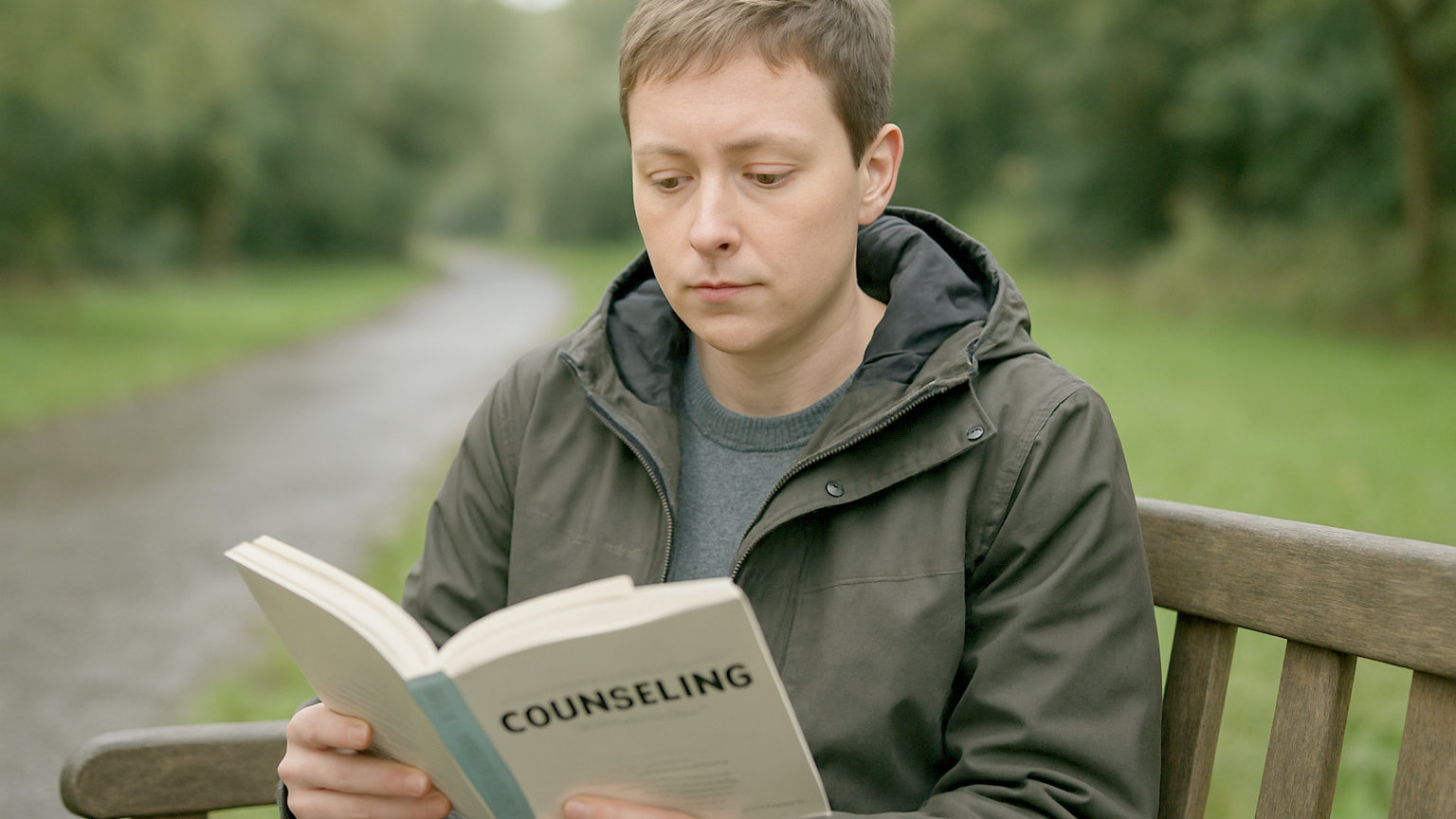
How Do You Get the Most Out of Counselling?
Counselling is not something done to you, and the difference between people who benefit and people who do not is largely about how the time is used.
Counsellor, psychotherapist and psychologist are not interchangeable, and in the UK some of those titles are not legally protected at all, which matters a great deal when choosing. These guides explain the differences, how to check a therapist is properly registered, what private therapy costs and how to tell whether it is working.
Counselling is not something done to you, and the difference between people who benefit and people who do not is largely about how the time is used.
Counselling does some things well and others not at all, and knowing where the boundary sits prevents people persisting with something that will not help.
People frequently arrive wanting to be told what to do and leave frustrated that they were not. The refusal is deliberate and there are good reasons for it.
Anyone in the UK can call themselves a counsellor, which makes knowing what the qualifications actually mean unusually important.
Free and reduced-cost counselling is available more widely than most people realise, and several of the routes are not obvious.
University counselling is free, confidential and separate from your academic record, and waiting until you are in crisis is the most common mistake.
Employee assistance programmes provide free counselling to a large share of UK employees, and most of those covered do not know it exists.
Most bereaved people do not need counselling, and knowing who benefits prevents both unnecessary treatment and unnecessary suffering.
Couple counselling works on the pattern between two people rather than establishing who is right, and it is not appropriate where there is abuse.
Counselling suits some difficulties considerably better than others, and being offered the wrong thing is a common reason people conclude therapy did not work.
Counselling sessions have less visible structure than other therapies, which is deliberate and is the thing people find most disorienting at first.
Person-centred counselling is the most common approach in the UK and rests on the proposition that the relationship itself is the treatment.