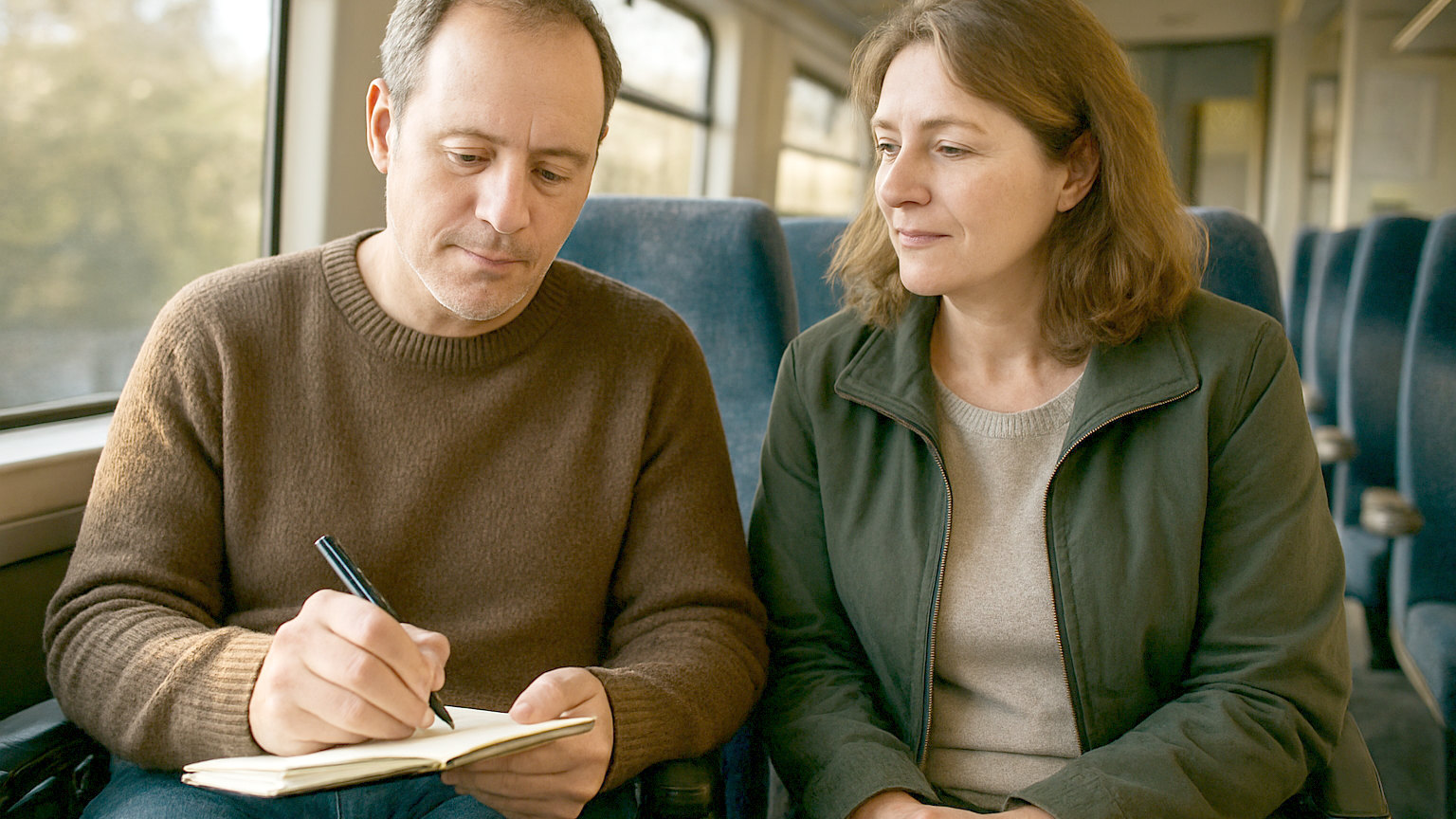
When Should You Get Help for Anger?
You do not need to have done something serious to justify seeking help, and several treatable conditions produce anger as their main visible symptom.
Anger is frequently the outward face of something else, particularly in people who were never given much permission to be sad or afraid. These guides cover what sits underneath persistent irritability, why the body reacts before the thought arrives, and the approaches that work better than being told to count to ten.
You do not need to have done something serious to justify seeking help, and several treatable conditions produce anger as their main visible symptom.
Children are affected by anger they witness as well as anger directed at them, and the research on this is more substantial than most parents realise.
Reasoning with someone at peak intensity does not work, because the capacity required for reasoning is temporarily unavailable to them.
The question is not whether you intended to frighten anyone. It is whether they are afraid, and that is answered by them rather than by you.
The evidence suggests men and women experience anger at broadly similar rates, and what differs is what happens to it after it arrives.
What happens after an outburst determines most of the long-term damage, and the common responses of minimising and over-apologising both make things worse.
Anger management is not a class in staying quiet. It is a structured psychological approach with reasonable evidence, and it is available in several forms in the UK.
Occasional anger is harmless. Frequent intense anger and sustained hostility are associated with measurable effects, particularly on the heart.
Holding it together all day and losing it at home is one of the most common patterns there is, and the explanation is not that you care less about your family.
The thing that set you off is rarely the thing that made you angry, and identifying the pattern requires working backwards rather than noticing at the time.
Almost every technique that works does the same thing: buys enough time for the physical surge to subside without being refuelled.
The idea that anger builds up and needs releasing is intuitive, widely believed and contradicted by decades of research. Venting generally increases anger.