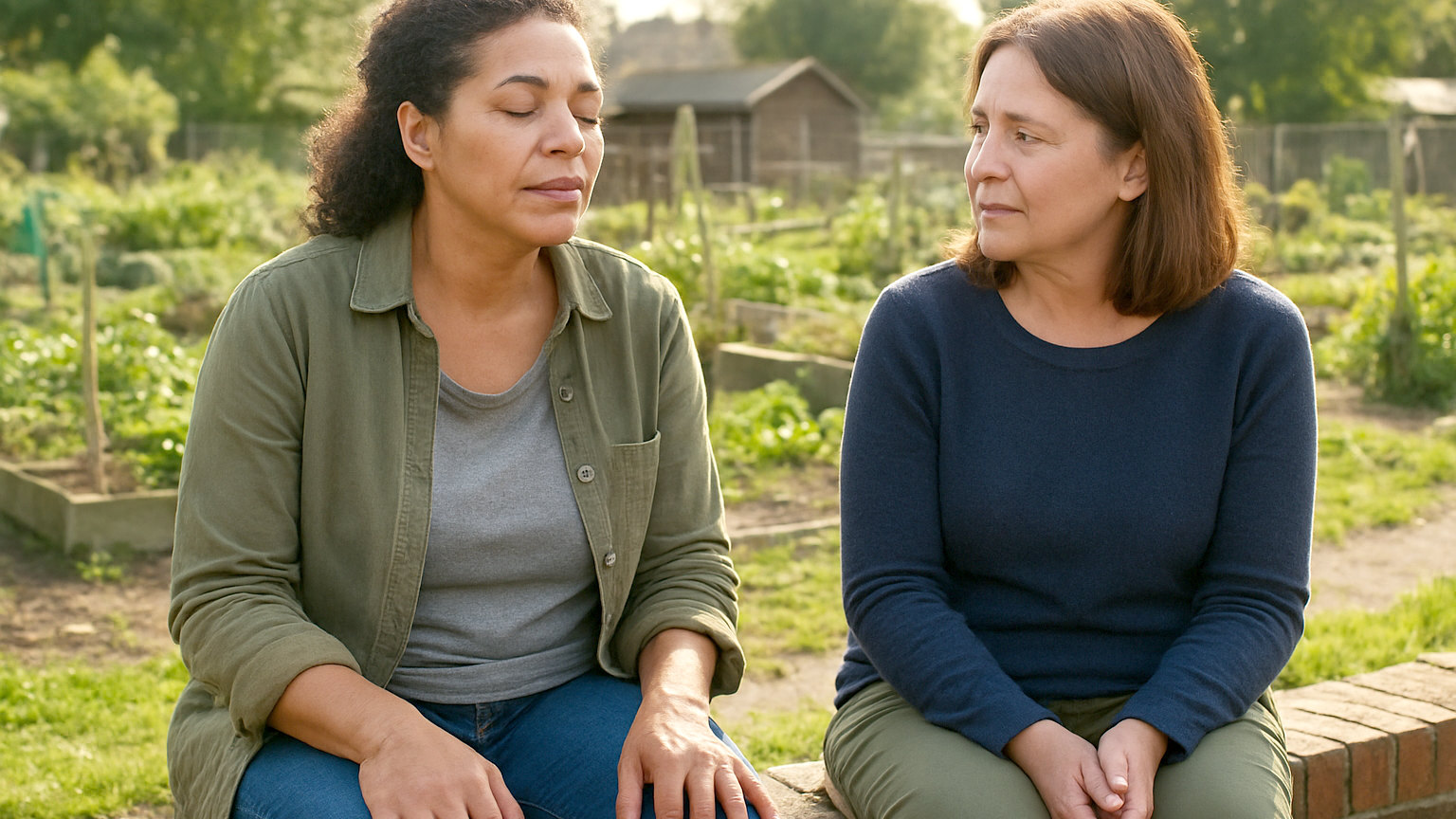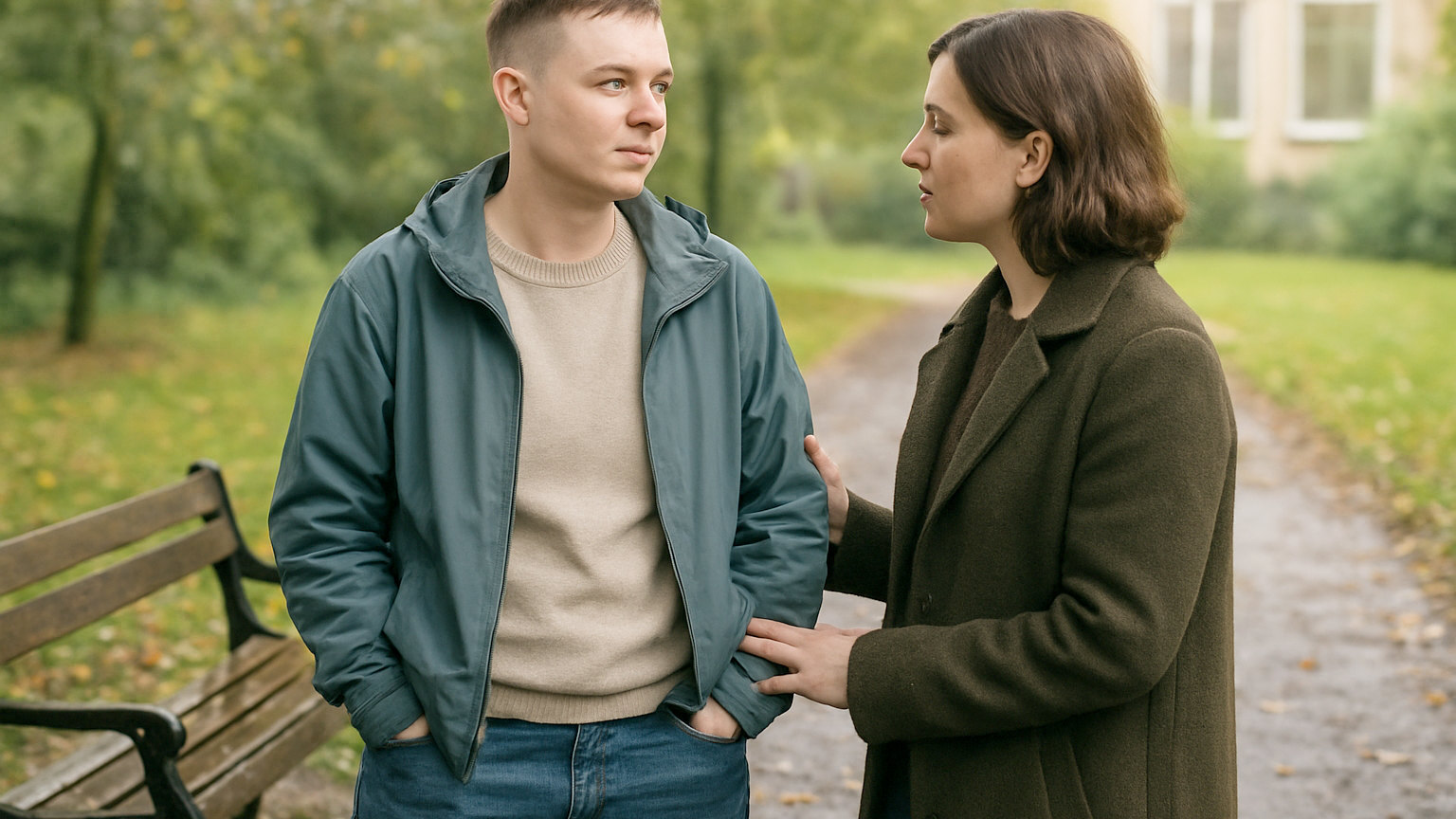
Anger is popularly regarded as a male emotion, and the research does not support that as a claim about experience. Studies generally find broadly similar frequency and intensity of anger between men and women, with differences appearing in expression and in how it is received.
What the research finds
Reviews of the literature generally report small or inconsistent differences in the experience of anger.
The more consistent findings concern behaviour. Men are more likely to express anger through physical aggression and outward confrontation. Women are more likely to express it indirectly, or to convert it into other emotions.
Women are also more likely to cry when angry, which is frequently misread by everyone involved as sadness rather than as fury.
What socialisation teaches
Boys are frequently permitted anger while being discouraged from expressing fear, sadness or vulnerability.
The result is that anger becomes the available channel for a wide range of feelings. Many men describe recognising only irritation where hurt, fear or grief would be more accurate.
Girls are frequently discouraged from anger specifically, and encouraged towards accommodation. Anger then goes underground, appearing as guilt, self-criticism, resentment or indirect expression.
The same behaviour judged differently
This is well documented and worth stating plainly. Identical expressions of anger are evaluated differently depending on who is expressing them.
Research on workplace settings has found that men expressing anger are frequently perceived as assertive or competent, while women expressing the same anger are more often perceived as emotional or difficult.
The effect is compounded for women of colour, where anger is frequently interpreted through additional stereotypes.
This is not a matter of opinion about how things should be; it shapes what people learn about whether expressing anger is safe.
What this costs men
Where anger is the only permitted emotion, everything difficult is routed through it.
Depression frequently presents as irritability in men rather than as sadness, which delays recognition and treatment considerably.
Men are also less likely to seek help for anger until there are consequences, by which point relationships or employment may already be affected.
What this costs women
Anger turned inward tends to become self-criticism, guilt and low mood.
Suppressed anger is associated with depression, and with physical symptoms including tension and digestive problems.
Women frequently describe difficulty recognising their own anger at all, having learned early that it was unacceptable, which makes it harder to identify what needs addressing.
The aggression question
Men commit the substantial majority of serious violence, which is a fact about behaviour rather than about anger.
The distinction matters. Aggression is a behaviour with many contributors including physical size, social permission, alcohol and learned norms. Anger is an emotion experienced at similar rates.
Domestic abuse is also perpetrated by people of any gender, and is about control rather than about anger.
The National Domestic Abuse Helpline is on 0808 2000 247. Men can contact the Men Advice Line on 0808 8010 327.
What is useful for anyone
Identifying what sits underneath the anger, which is more often the task for men.
Recognising anger at all and expressing it earlier, which is more often the task for women.
Both amount to the same underlying skill: matching the response to what you are actually feeling.
Where the research is limited
Most studies in this area rely on self-report, which is affected by what people feel able to admit, and social expectations differ by gender.
Findings also vary considerably across cultures and settings, which suggests that much of what is measured reflects norms rather than anything fixed. The differences described here are averages with substantial overlap, and they say nothing about any individual.
What parents pass on
Children learn what to do with anger largely by watching, and the lesson is frequently gendered without anyone intending it.
Boys discouraged from expressing sadness and girls discouraged from expressing anger both end up with a narrowed range. Naming emotions accurately in front of children, and allowing all of them, does more than any instruction about behaviour.
Where to get help
A GP is a reasonable starting point, since anger frequently accompanies depression or anxiety which are treatable.
CALM run a helpline on 0800 58 58 58. Samaritans are on 116 123 at any hour, for anyone.
This is general information rather than medical advice.