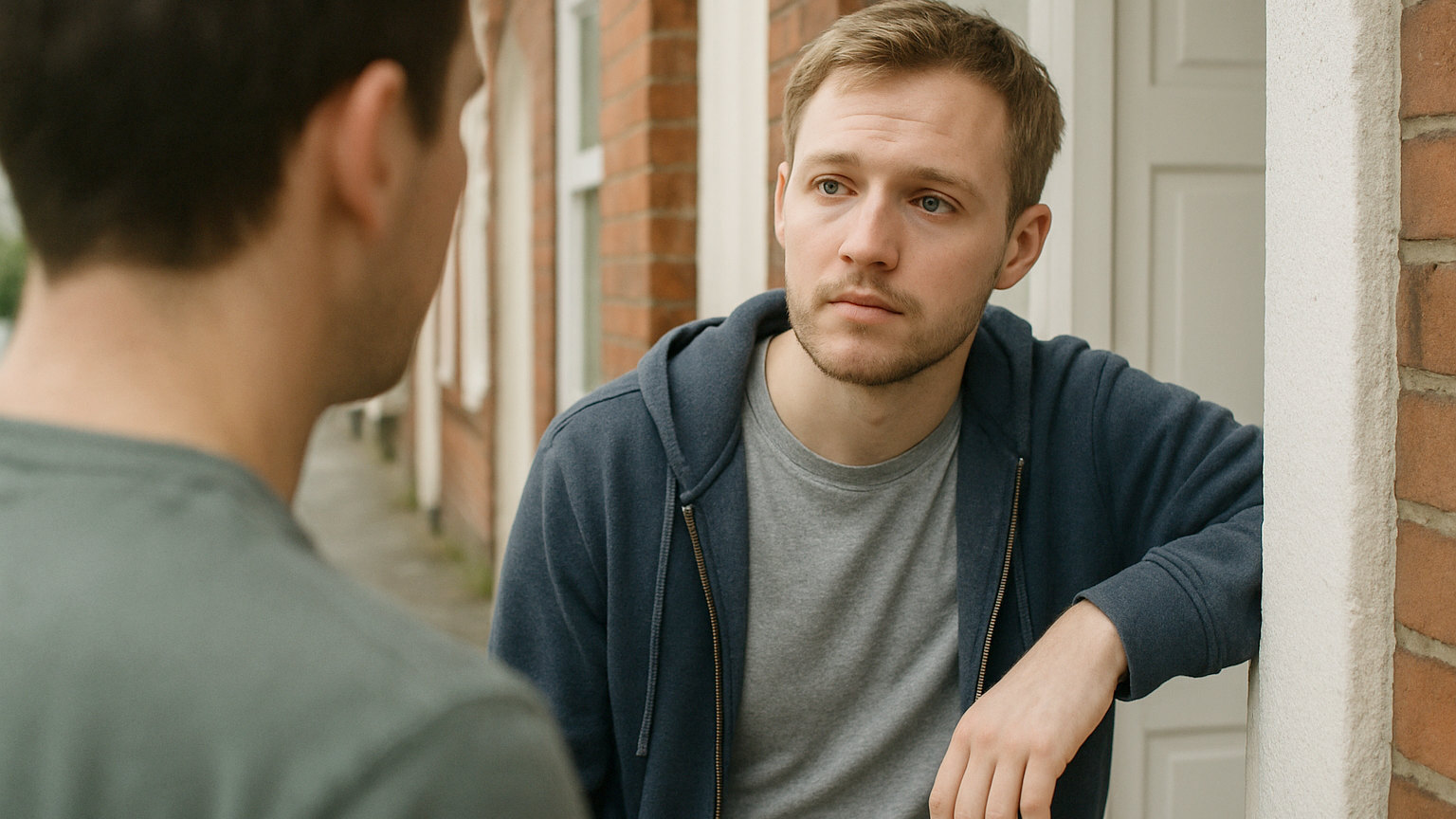
How Do You Support Someone After a Suicide Attempt?
The weeks after an attempt carry substantially elevated risk, and it is precisely when attention tends to drop away.
By Mental Health Guide Editorial
19 May 2026

The gap between deciding to get help and actually getting it is where most people stall, usually because nobody explains what the routes are. In England you can refer yourself to NHS Talking Therapies without going through a GP at all, which removes the step people most often postpone, and the other UK nations have their own equivalents. These guides cover what each type of therapy involves, what medication does and does not do, how to find a properly registered therapist privately, and where to turn when something cannot wait. If you need to talk to someone now, Samaritans are on 116 123, day or night.
The weeks after an attempt carry substantially elevated risk, and it is precisely when attention tends to drop away.
Free and reduced-cost counselling is available more widely than most people realise, and several of the routes are not obvious.
Most people in this position stop attending without saying anything, which is the worst of the available options for reasons worth understanding.
Admission is frightening largely because nobody knows what it involves, and the reality is more mundane and more boring than most people imagine.
Guidance recommends continuing for a period after recovery rather than stopping when you feel better, and long-term prescribing without review is a separate problem.
Core beliefs are the deepest level of thinking, held as fact rather than opinion, and they are why some difficulties keep returning after successful treatment.
Asking directly does not plant the idea, which is the single most important thing to know and the belief that stops most people asking.
University counselling is free, confidential and separate from your academic record, and waiting until you are in crisis is the most common mistake.
Carers have rights they generally do not know about, including an assessment in their own right, and are consistently the least supported people in the system.
The therapeutic alliance is one of the strongest predictors of whether therapy works, and it is more specific than simply getting on with someone.
Depression in later life is frequently dismissed as an understandable response to age, which is one of the main reasons it goes untreated.
This is frequently framed as a choice between two philosophies when the evidence generally supports offering both.