
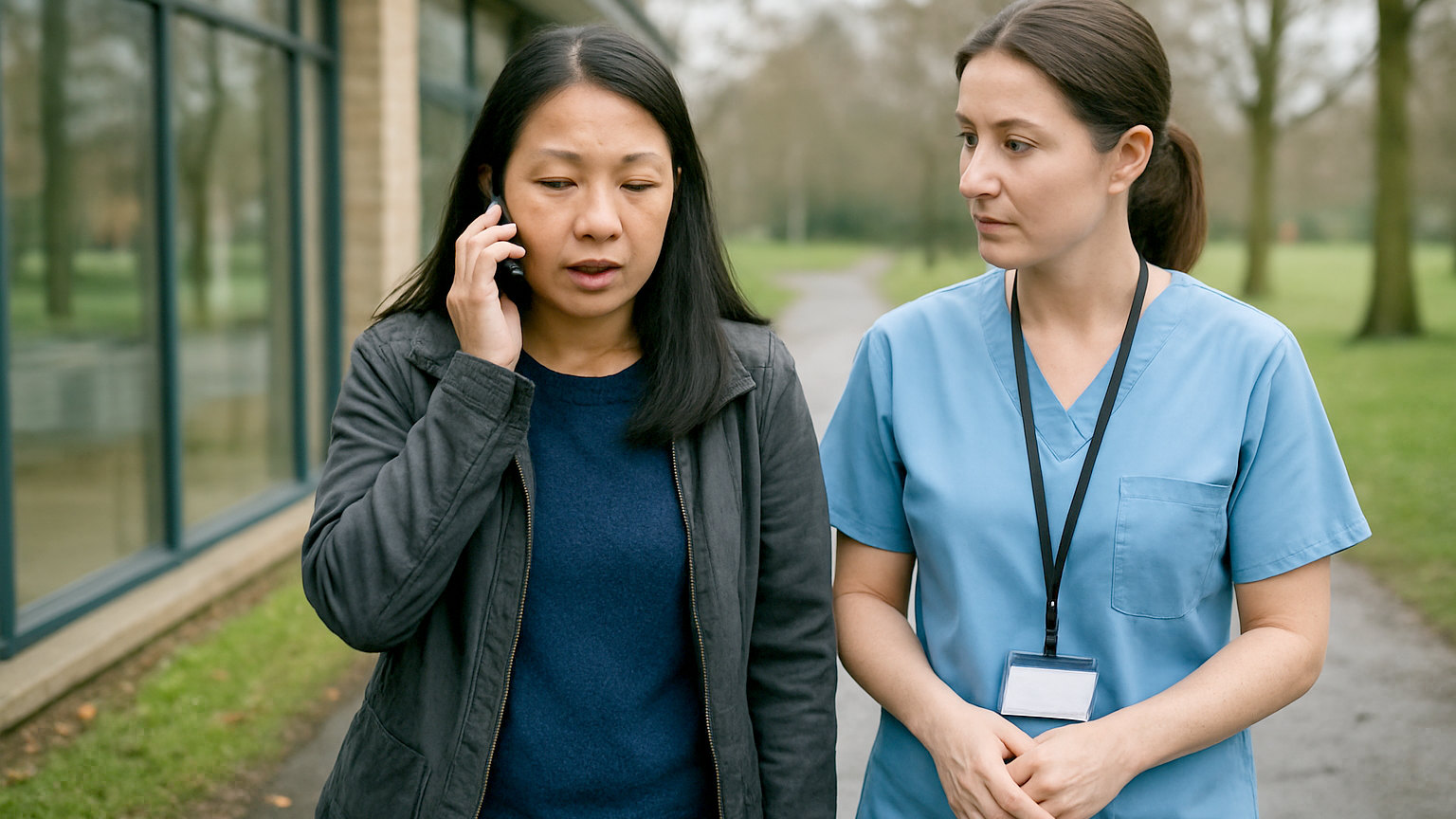
Caring for someone unwell, disabled or elderly produces a form of burnout with features that workplace burnout does not have. There is no end of shift, the relationship makes the role difficult to separate from love, and any thought of stopping arrives attached to guilt.
Why it differs from work burnout
The most significant difference is the absence of boundaries. Work has a finish time, however notional. Caring frequently does not, and night-time responsibilities remove even the recovery that sleep would provide.
There is also no possibility of resigning. The obvious escape route in workplace burnout, which is leaving, is not available in any acceptable form, which changes the psychology considerably.
The trajectory
Caring roles usually expand gradually. Occasional shopping becomes daily visits, then personal care, then overnight responsibility, with no point at which anyone agreed to the total.
Many people providing substantial care do not describe themselves as carers at all, which matters practically, since it means they never look for the support that exists specifically for them.
What it looks like
Exhaustion that sleep does not resolve. Irritability towards the person being cared for, followed immediately by guilt. Emotional flatness, where you continue doing everything correctly while feeling nothing much about it.
Withdrawal from friends, dropped hobbies, and a sense that your own life has been suspended indefinitely. Physical symptoms are common: disturbed sleep, frequent minor illness, back pain from lifting, headaches.
Compassion fatigue
This term describes the specific depletion that comes from sustained emotional engagement with someone else suffering, and it appears in both unpaid carers and professionals.
The characteristic feature is a reduced capacity to feel empathy, which is protective and deeply distressing to notice in yourself. People frequently interpret it as evidence that they no longer care, when it is closer to the opposite: a system that has been asked for more than it can supply.
The guilt problem
Guilt does more damage in carer burnout than in any other form. Resenting the situation, wanting time away, or feeling relief when a hospital admission provides a break all produce shame.
These reactions are close to universal among carers and they say nothing about the depth of the underlying affection. Resenting a situation is entirely compatible with loving the person in it, and treating those as contradictory is what keeps many carers silent.
Where anticipatory grief fits
Carers of people with dementia or progressive conditions frequently experience grief while the person is still alive, mourning who they were and the relationship that existed.
This is recognised and rarely acknowledged, since the usual supports for grief are not offered until after a death. Naming it helps, and dementia-specific carer support tends to understand it well.
Practical support in the UK
You are entitled to a carers assessment from your local authority, separate from any assessment of the person you care for. It considers your own needs and can lead to practical support including respite.
Carers Allowance may be available depending on hours and the benefits the person receives. Carers UK provide advice on 0808 808 7777, and Carers Trust run local services across the country. Many GP practices maintain a carers register, which can bring flexible appointments and vaccination priority.
Respite is not optional
Regular breaks are what make sustained caring possible, and treating them as a luxury tends to end in a collapse that removes the carer entirely.
Short and regular works better than occasional and long. A few hours weekly, reliably, does more for capacity than one week a year.
Asking for help
Most carers wait far too long, usually because the role expanded gradually and the request never had an obvious moment. There is no threshold you have to reach first.
Tell your GP that you are a carer, since it changes how they can support you. Say plainly how many hours you provide and what it prevents you doing.
This is general information rather than medical advice. If caring is affecting your health, speak to your GP, and Carers UK are on 0808 808 7777.


