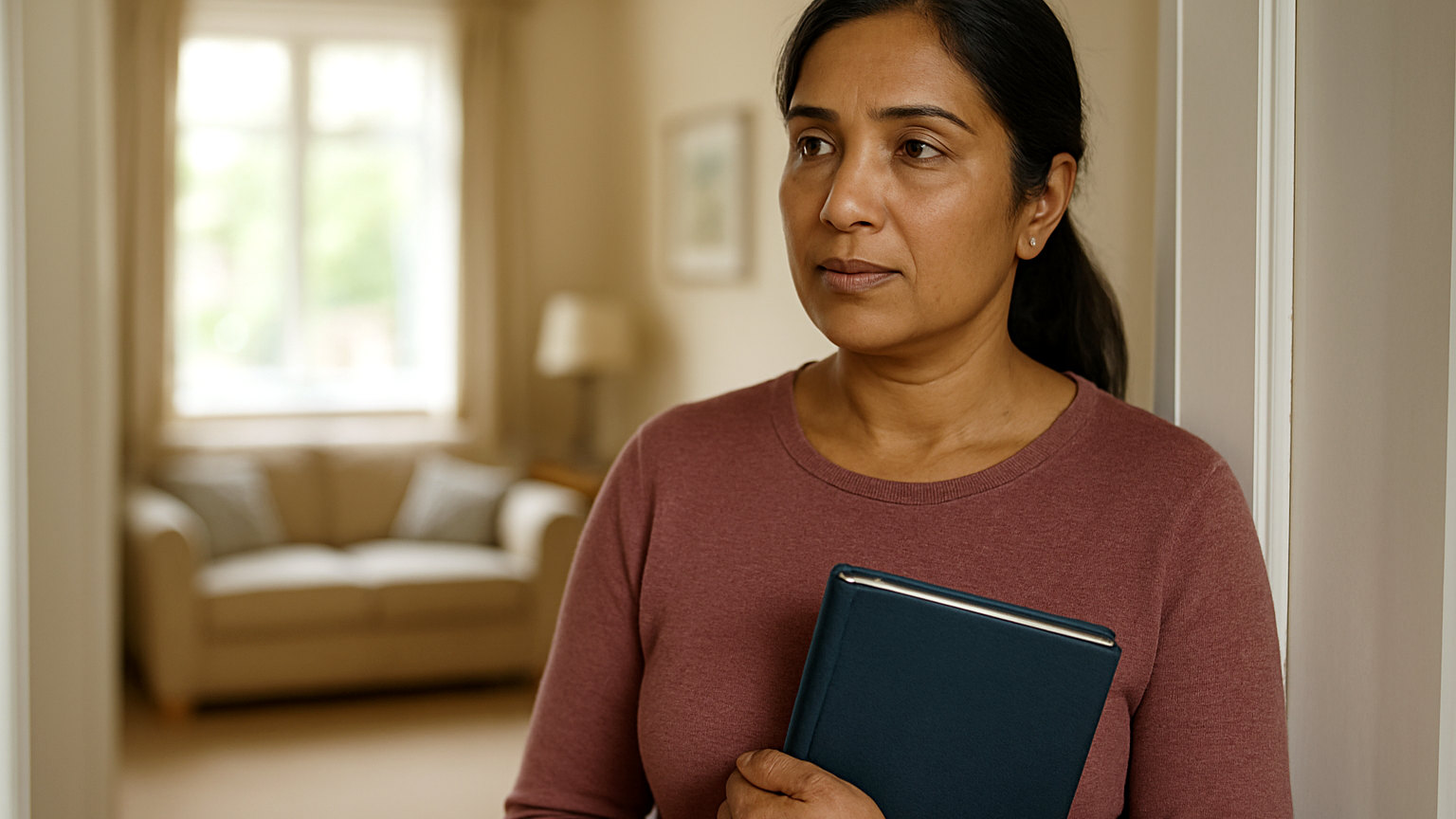
Stress is treated as a circumstance rather than a condition, which is why people wait so long before mentioning it. There is no threshold you have to cross first, and a GP appointment about stress is neither unusual nor a waste of anyone time.
Reasons to go
Sleep disrupted for more than a few weeks. Physical symptoms that have persisted, including headaches, digestive problems, chest tightness or palpitations. Exhaustion that rest does not resolve.
Also drinking more than you used to, low mood that is present outside work as well, difficulty functioning at work or home, or a sense that things are steadily getting worse rather than fluctuating.
Symptoms that need urgent attention
Call 999 for severe or crushing chest pain, chest pain spreading to the jaw, neck, back or arm, sudden weakness or drooping on one side, slurred speech, or a sudden severe headache unlike any before.
If you cannot keep yourself safe or you are thinking about ending your life, go to A and E or call 999. Samaritans are on 116 123 at any hour, free from any phone, and you can text SHOUT to 85258 if speaking is too difficult.
What a GP can actually do
More than people expect. They can exclude physical causes that mimic stress, which is genuinely worth doing once. They can refer you for therapy or advise you to self-refer.
They can discuss medication if appropriate, issue a fit note, and recommend workplace adjustments rather than simply signing someone off. They can also treat the specific things stress has produced, such as insomnia, migraine or reflux.
The physical causes worth excluding
Several conditions produce a picture indistinguishable from sustained stress. An underactive thyroid causes fatigue, low mood and weight change. An overactive one causes palpitations, tremor and restlessness.
Iron deficiency anaemia produces exhaustion, breathlessness and palpitations. Diabetes, vitamin B12 deficiency, coeliac disease and sleep apnoea all belong on the list. Most can be excluded with an examination and a single blood test.
Making a short appointment count
Say the main thing in the first sentence rather than working up to it. GPs hear this several times a day.
Bring a short written note covering when it started, the main symptoms, what it is preventing you doing, what you have already tried, and what you are hoping for. If there are two separate concerns, say so at the start so the appointment can be structured around both.
About fit notes
A fit note does not have to sign you off completely. It can state that you may be fit for work with adjustments, such as reduced hours, altered duties or a phased return.
Stress is not itself a diagnosis, though the associated anxiety, depression or exhaustion can be recorded. You do not need a note for the first seven calendar days of absence, where self-certification applies.
Getting therapy
In England you can refer yourself to NHS Talking Therapies online or by phone without seeing a GP at all, which removes the step people most often postpone. Scotland, Wales and Northern Ireland have their own routes.
See a GP first if you have unassessed physical symptoms or want to discuss medication alongside.
What you do not need before going
You do not need to have tried everything else first, to be unable to function, or to have a specific request in mind. You also do not need to have been under pressure for a particular length of time.
Earlier appointments are generally more useful than later ones, because there is more room to act before things consolidate. Nobody is going to tell you that you should not have come.
If you feel dismissed
It happens. Ask specifically what would need to change for further assessment, request a follow-up, or see a different GP at the same practice. You are entitled to ask for a second opinion.
Occupational health is a separate route worth knowing about if the pressure is work-related, and they can recommend adjustments without disclosing clinical detail to an employer.
This is general information rather than medical advice. If you are unsure how urgent something is, call 111, which has a mental health option at any hour.