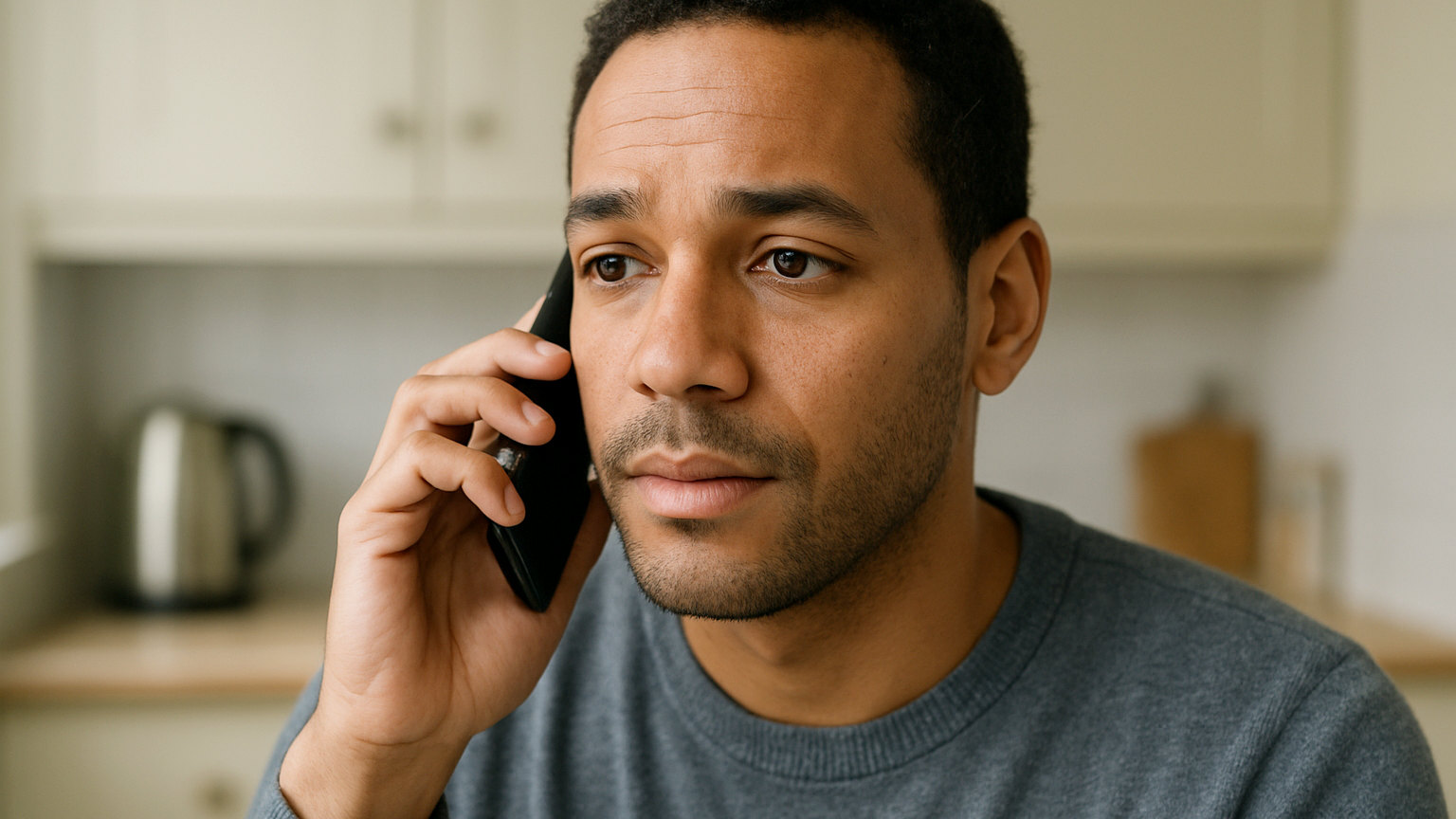
Almost every account of panic attacks stops at the point the attack ends, which leaves people unprepared for the several hours that follow. Feeling hollowed out, shaky and close to tears afterwards is normal, extremely common and rarely mentioned to anyone.
What the body has just done
A panic attack runs the complete emergency response. Heart rate up, muscles contracted throughout the body, glucose released for immediate use, digestion suspended, senses heightened.
All of that is metabolically expensive. It is the physiological equivalent of a short sprint, except that it happened while you were sitting in a meeting, so there is no obvious reason for the tiredness that follows.
The muscle explanation
Muscles across the chest, shoulders, jaw and abdomen contract hard during an attack and stay contracted for several minutes. That produces genuine soreness afterwards, in the same way unfamiliar exercise does.
Many people wake the following day with an aching chest or a sore jaw and conclude something is wrong. It is muscle, and it settles within a day or two.
Why you feel tearful
The emotional flatness or tearfulness afterwards catches people off guard, particularly men, who often find the crying itself more distressing than the attack.
Intense fear followed by rapid relief leaves the emotional system unsettled. There is also frequently a component of frustration, embarrassment and grief about the situation, which surfaces once the immediate fear has receded and there is room for anything else.
The vulnerability that follows
For several hours afterwards the threshold for the next alarm is lower. Small things provoke a jump, noise feels intrusive, and the stomach stays unsettled.
This is worth knowing, because it is easy to interpret that jumpiness as the start of another attack, which then produces one. Recognising it as the tail end of the first is often enough to stop that sequence.
How long it lasts
Most people describe two to six hours of feeling drained. Some feel wrung out for the remainder of the day, and after a particularly severe attack it can extend into the following morning.
If exhaustion persists for several days, that is more likely to reflect accumulated anxiety and disrupted sleep than the attack itself, and it is worth addressing separately.
What helps in the aftermath
Eat something, even if appetite is absent. Blood glucose was mobilised and then burned, and low blood sugar produces shakiness that mimics the early stages of another attack.
Drink water, since sweating and rapid breathing both cause fluid loss. Get warm, because people frequently feel cold afterwards. Move gently rather than either collapsing entirely or pushing straight back into demands.
What does not help
Going over the attack in detail keeps attention fixed on it and often triggers the anticipatory anxiety that leads to the next one. There is a difference between noting what happened and interrogating it.
Alcohol is tempting and produces a rebound of anxiety within hours. Caffeine to counter the tiredness is worse, since it reproduces the exact sensations you are recovering from.
Being kind about the rest of the day
People routinely expect themselves to carry on at full capacity immediately afterwards and then judge themselves for struggling. Nobody would expect that after a sprint.
Where possible, lower the demands of the next few hours. Where that is not possible, at least stop treating the difficulty as evidence of failing to cope.
Telling other people about it
The aftermath is where explaining becomes awkward, particularly at work. People frequently invent a physical excuse because it feels more acceptable than the truth, and then find the deception adds its own weight.
You are under no obligation to explain anything. If you want to say something, brief and matter-of-fact works best: that you had a panic attack, that it passed, and that you need a short while. Most people respond far better to that than to an elaborate account, and considerably better than the person expects.
This is general information rather than medical advice. If attacks are recurring or the aftermath is lasting days, speak to your GP for an assessment.