
Older people do not report the highest overall rates of loneliness in UK surveys, and the loneliness experienced in later life is frequently the most severe and the most persistent, because the causes accumulate and are difficult to reverse.
Accumulated loss
The central factor. Over decades, people lose partners, siblings, friends and colleagues, and the losses arrive faster than replacements can be found.
Bereavement removes not only the person but the shared routines and the wider network that came with them. Someone widowed may lose contact with an entire social circle that was organised around the couple.
The people who would ordinarily provide support through a bereavement are frequently the same people who have already died.
Retirement
Work supplies daily contact, structure, purpose and identity, and all four end at once.
People frequently anticipate the loss of income and underestimate the loss of contact. The colleagues seen every day for decades typically do not translate into friendships that survive leaving.
Health and mobility
Physical limitations are among the most practical and most solvable causes.
Difficulty walking, giving up driving, or being unable to manage public transport all reduce contact directly. Where a bus route is withdrawn or a step becomes impossible, the social consequence is immediate.
Continence problems, rarely discussed, cause considerable withdrawal and are frequently treatable.
Hearing loss
This deserves particular attention because it is common, addressable and underestimated.
Struggling to follow conversation in a group is exhausting and embarrassing, and people gradually stop attending rather than admit they cannot hear.
Untreated hearing loss is associated with social withdrawal, depression and cognitive decline. Having hearing tested, and using aids consistently once provided, is one of the more effective anti-loneliness interventions available.
Vision and communication
Sight loss affects the ability to get out, to read and to recognise people, all of which reduce confidence in social situations.
Digital exclusion compounds it. As services and social contact move online, people without internet access or confidence lose routes that others take for granted, including access to appointments and information.
Caring
Older carers are among the most isolated groups. Caring for a partner with dementia or a long-term condition restricts availability almost completely.
The loneliness is frequently doubled, since the person cared for may no longer be able to provide companionship.
Why it persists
Replacing lost connections requires energy, mobility, confidence and opportunity, and later life tends to reduce all four simultaneously.
There is also a generational reluctance to admit need or to accept help, particularly among people who spent their lives being the one who helped others.
What helps practically
Addressing the physical barriers first, since they are frequently the binding constraint. Hearing tests, mobility aids, transport schemes and continence support all restore access.
Regular structured activity rather than occasional visits, since routine sustains contact where good intentions do not.
Ask a GP about social prescribing, which connects people to local groups and is available through many practices.
Why befriending schemes work
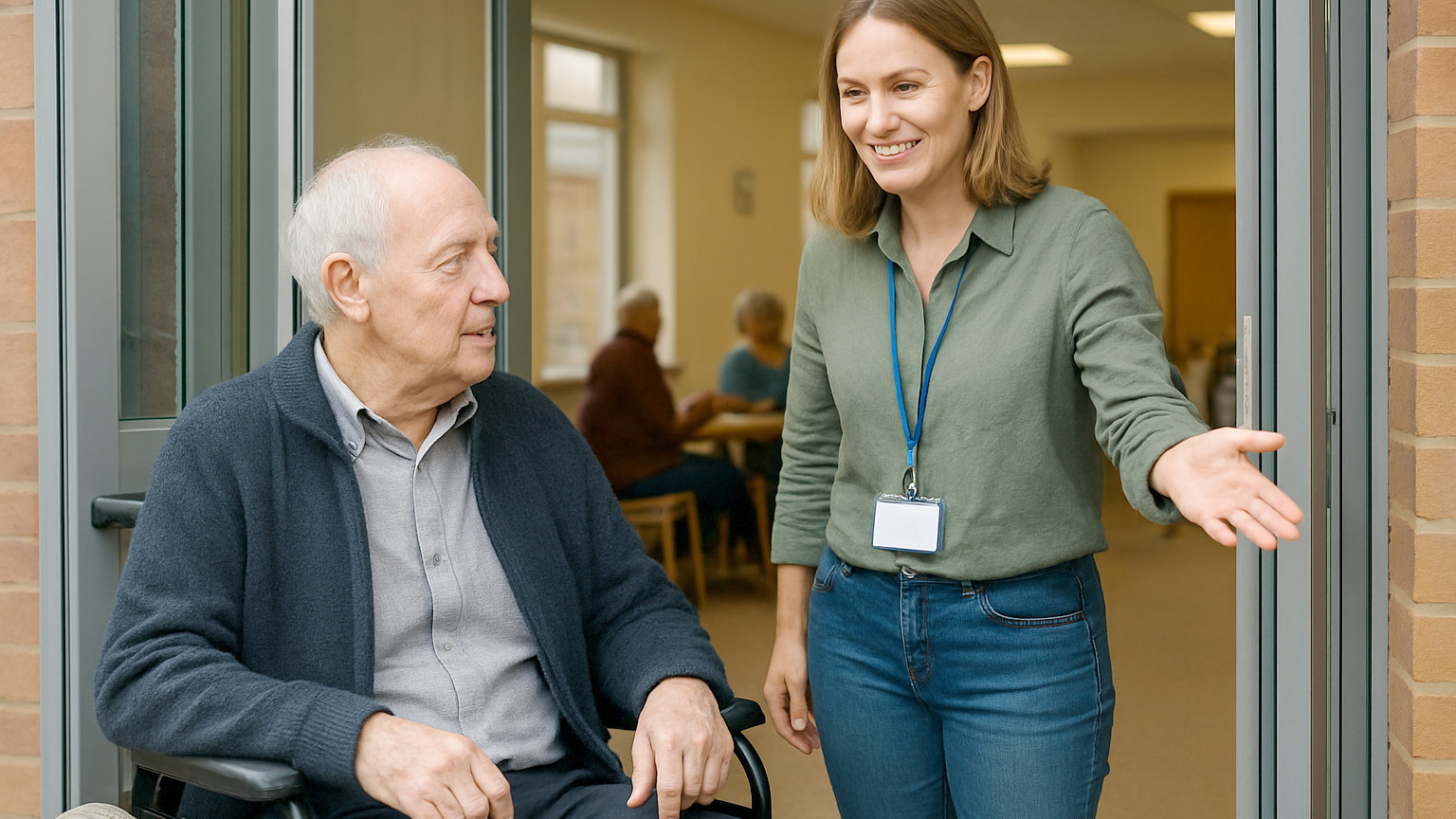
Befriending services, which arrange regular visits or calls from a volunteer, are among the better-established responses to loneliness in later life.
People are frequently reluctant, on the basis that it seems artificial or that others need it more. In practice the regularity is what matters, and many arrangements become genuine friendships. Age UK and local organisations run these across the country.
For families
Regular predictable contact does more than occasional long visits, and a brief call at the same time each week provides something to anticipate.
Practical help frequently unlocks more than company does. Arranging a hearing test, sorting transport, or setting up a video call with grandchildren addresses the barriers directly.
Ask what they would like rather than assuming. Older people frequently want to contribute rather than to be visited, and volunteering or helping with something restores purpose alongside contact.
Where to get support in the UK
Age UK run a free advice line on 0800 678 1602, open every day, and provide befriending services and local activities across the country.
Local councils can arrange assessments for care and support needs, and community transport schemes exist in most areas.
Samaritans are on 116 123 at any hour, for anyone of any age.
This is general information rather than medical advice.


