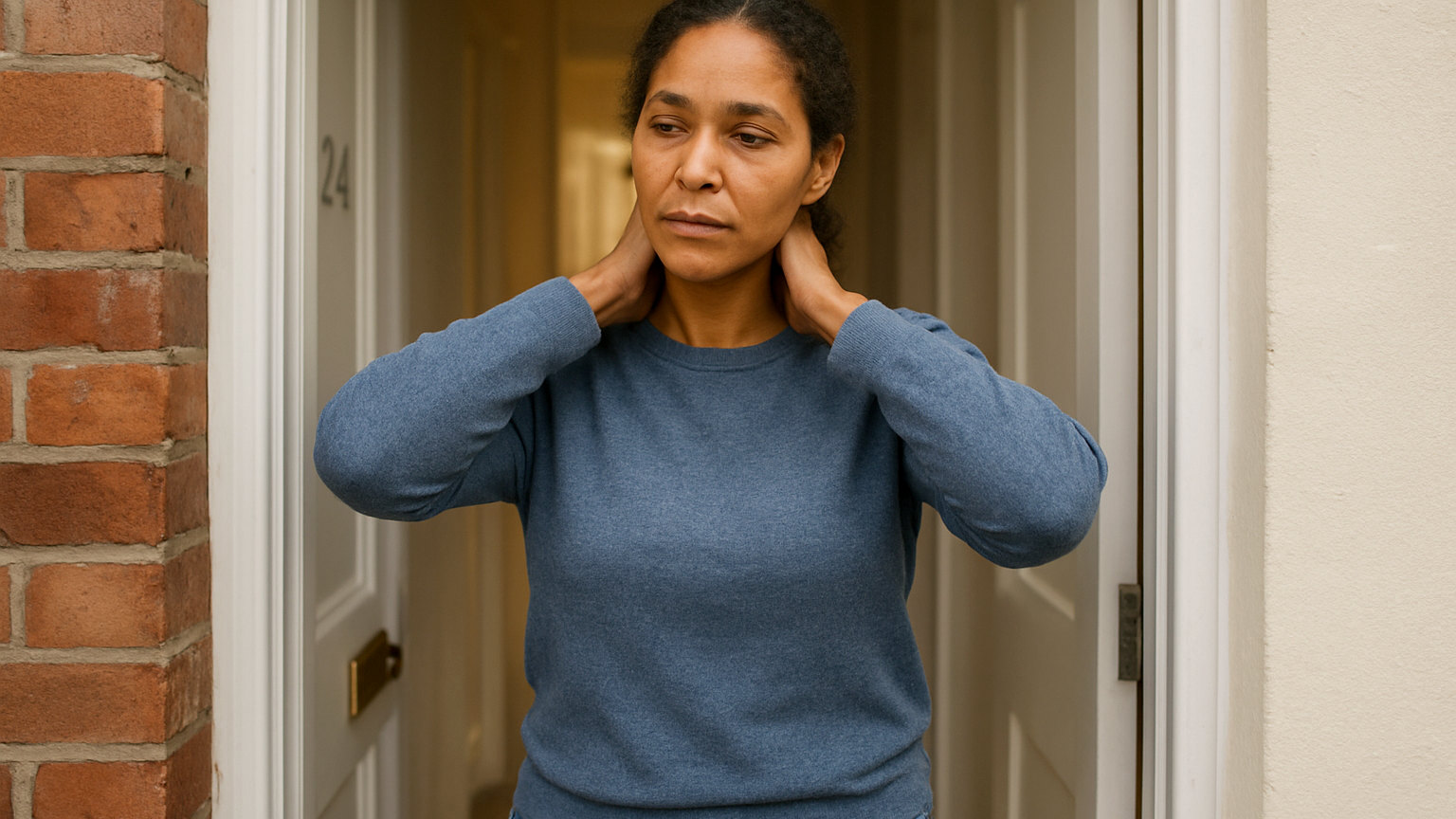
Being told you do not meet the criteria for a service is a common experience and a demoralising one, particularly after waiting. It usually reflects how the service is configured rather than a judgement that you do not need help.
Why refusals happen
Thresholds. Services define who they accept, and these differ considerably between areas. The same person may be accepted in one place and refused in another.
Wrong service. Someone with complex trauma referred to a service designed for common conditions may be refused because the service is not appropriate rather than because they are not unwell enough.
Insufficient information in the referral, which is common and fixable.
Exclusion criteria, including active substance use in some services, which is a recognised problem.
Ask for the reasons
The first step, and one people frequently skip.
Ask what the criteria are, which specific criterion was not met, and what would need to be different.
Ask in writing if necessary. A vague refusal cannot be challenged; a specific one frequently can.
Ask where you should go instead
A refusal should come with a recommendation. Services are generally expected to signpost rather than simply decline.
Ask what service is appropriate for someone in your position, and how to reach it.
Where the answer is that nothing exists locally, that is worth documenting.
Describe impact rather than symptoms
This changes outcomes more than anything else you can do.
Services assess impairment. Describing what you can no longer do carries more weight than describing how you feel.
Not having left the house in three weeks, having lost your job, being unable to care for your children, or having stopped eating regularly are the kinds of detail that alter a threshold decision.
People routinely present their most composed version and are then assessed on it.
Involve your GP
Ask them to write again, setting out any change and pressing the case.
A second referral with fuller information is frequently accepted where the first was not.
Ask them to record the refusal in your notes, since a pattern of refusals is itself evidence.
Get an advocate
Advocacy services exist to help people navigate this, and they are free and independent.
An advocate can attend appointments, help you put your case in writing and challenge decisions on your behalf.
Local Mind associations, Rethink Mental Illness and local advocacy organisations can help you find one.
Use the patient advice and liaison service
PALS exists within NHS trusts to help patients with concerns and to resolve problems informally.
They can chase, explain decisions and sometimes get them reconsidered, and they are considerably less confrontational than a formal complaint.
Make a complaint if necessary
Where a refusal appears unreasonable, the NHS complaints process is available, and unresolved complaints can be taken to the relevant ombudsman.
Keep records of everything, including dates and who said what.
What else to try meanwhile
In England, self-refer to NHS Talking Therapies, which is separate from secondary care.
Charity services, including local Mind associations and condition-specific organisations, which have their own thresholds and frequently accept people services have refused.
Drug and alcohol services accept self-referral where that is part of the picture.
Low-cost counselling through training institutes and charities.
Ask for it in writing
A verbal refusal is difficult to challenge and easy to misremember.
Requesting the decision and the reasons in writing costs nothing, produces a more considered response, and gives you something concrete to work with if you take it further.
Do not let it stop you
People frequently take a refusal as confirmation that they are not really unwell, and stop seeking help entirely.
A threshold decision is an administrative judgement about a service rather than an assessment of your worth or your need.
If you reach crisis, thresholds do not apply in the same way. Call 111 and choose the mental health option, or go to A and E. Samaritans are on 116 123 at any hour.
This is general information rather than medical advice.