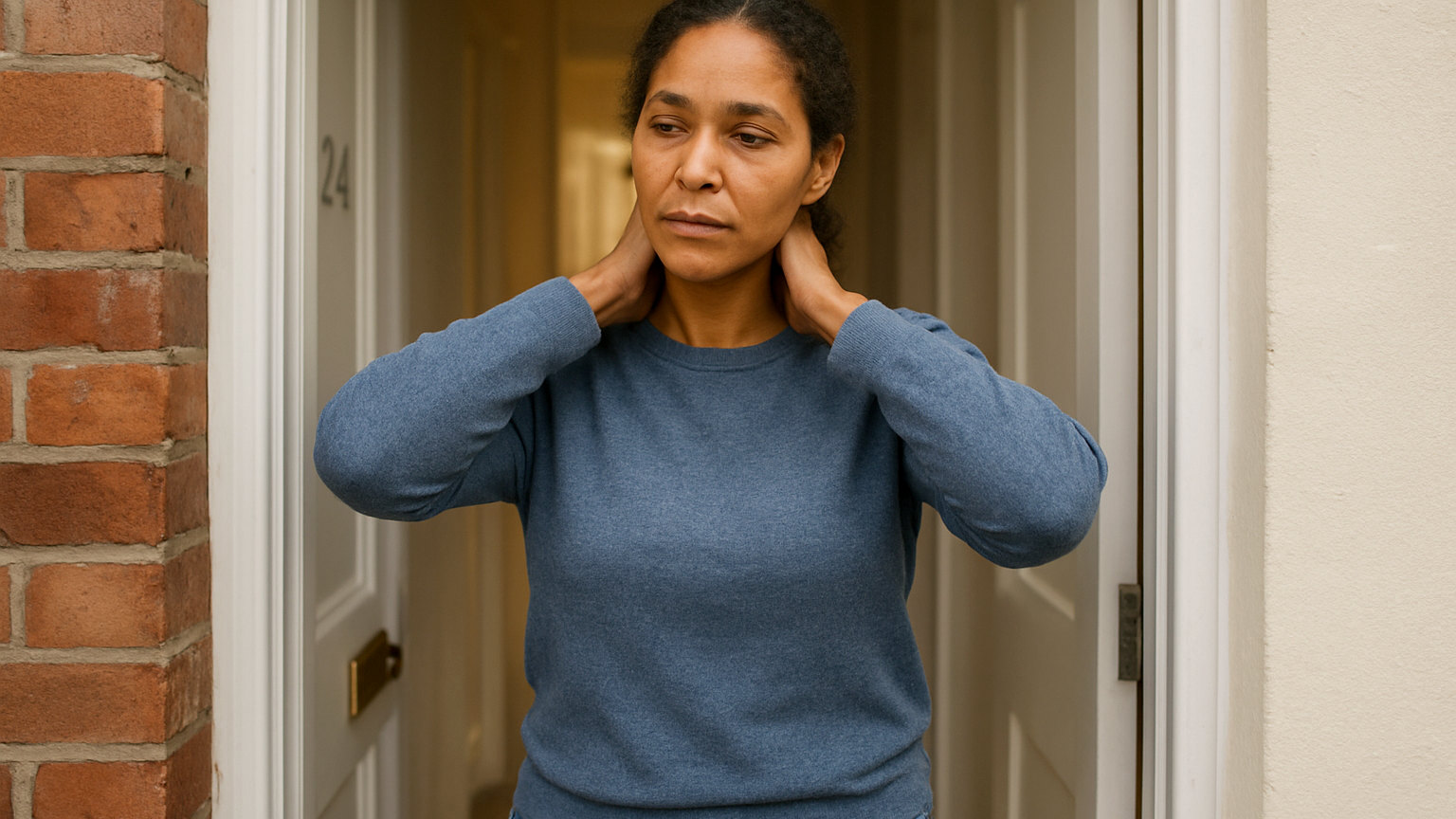
This is among the most common concerns about starting antidepressants, and it is frequently dismissed with reassurance that they simply return you to yourself. The honest answer is more nuanced and more useful.
The short answer
Antidepressants do not replace your personality with a different one. Most people describe feeling more like themselves rather than less.
They can, however, affect emotional range in ways some people find significant, and dismissing that concern is neither accurate nor helpful.
Emotional blunting
The effect people are usually describing when they raise this.
It involves a reduction in emotional intensity across the range rather than only in distress. People describe caring less, feeling flat, being unable to cry, or watching things that should move them and feeling nothing.
Studies asking directly about this find it reported by a substantial minority of people taking antidepressants.
For some it is a reasonable trade against overwhelming distress. For others it is unacceptable, and that is a legitimate position.
Why it might happen
One proposal is that these medications alter emotional processing rather than lifting mood directly, reducing the bias towards negative interpretation.
If the effect is on emotional processing generally rather than on negative emotion specifically, a reduction in the positive range would be expected alongside.
This remains a theory rather than an established mechanism.
Telling it apart from depression
This matters because the responses differ entirely, and the two are easily confused.
Depression involves low mood, hopelessness and self-criticism alongside the loss of pleasure. Emotional blunting more often involves an absence of feeling in either direction, without the misery.
Timing helps. Blunting typically appears after starting or increasing medication; unresolved depression was present beforehand.
Describing which applies, specifically, allows a prescriber to respond appropriately.
What the research finds
Studies examining personality measures before and after antidepressant treatment have found changes in traits such as neuroticism.
Interpretation is contested. Some researchers argue this reflects a direct medication effect on personality; others argue that depression inflates measured neuroticism, so the change reflects recovery rather than alteration.
The second explanation fits what most people report, which is a return to how they were before becoming unwell.
Recovery can feel like change
Where someone has been depressed for years, the depressed version may be the only self they remember.
Feeling differently can therefore be disorienting rather than obviously welcome, and some people describe not recognising themselves when they begin to improve.
Others notice that recovery makes previously tolerated situations intolerable, as the energy to notice and to object returns. That is a change in circumstances rather than in personality.
The creativity concern
Frequently raised, particularly by people whose work involves it.
Evidence that antidepressants impair creativity is limited. Severe depression impairs concentration, motivation and productivity substantially, and most people find they produce more when treated rather than less.
Where emotional range matters to your work, it is worth saying so when the medication is chosen, since options differ.
What to do if you feel flattened
Report it specifically rather than tolerating it or stopping.
Options may include a dose adjustment or a switch to a medication with a different profile, and these are decisions for a prescriber.
Describe what you can and cannot feel, and when it started, since that detail determines what is done about it.
Ask someone who knows you
Self-assessment of emotional range is unreliable, particularly when recovering from depression.
Someone close to you may have a clearer view of whether you seem flattened or simply calmer than you were. Asking directly is more informative than deciding alone.
Dose may be part of it
Emotional blunting is reported more frequently at higher doses, though it occurs at any dose and varies considerably between individuals.
Where it is troubling, a review of the dose is one of the options a prescriber may consider, alongside switching.
This is not something to adjust yourself, and it is a reasonable thing to ask about.
This is general information rather than medical advice. Never stop or change medication without speaking to your prescriber.