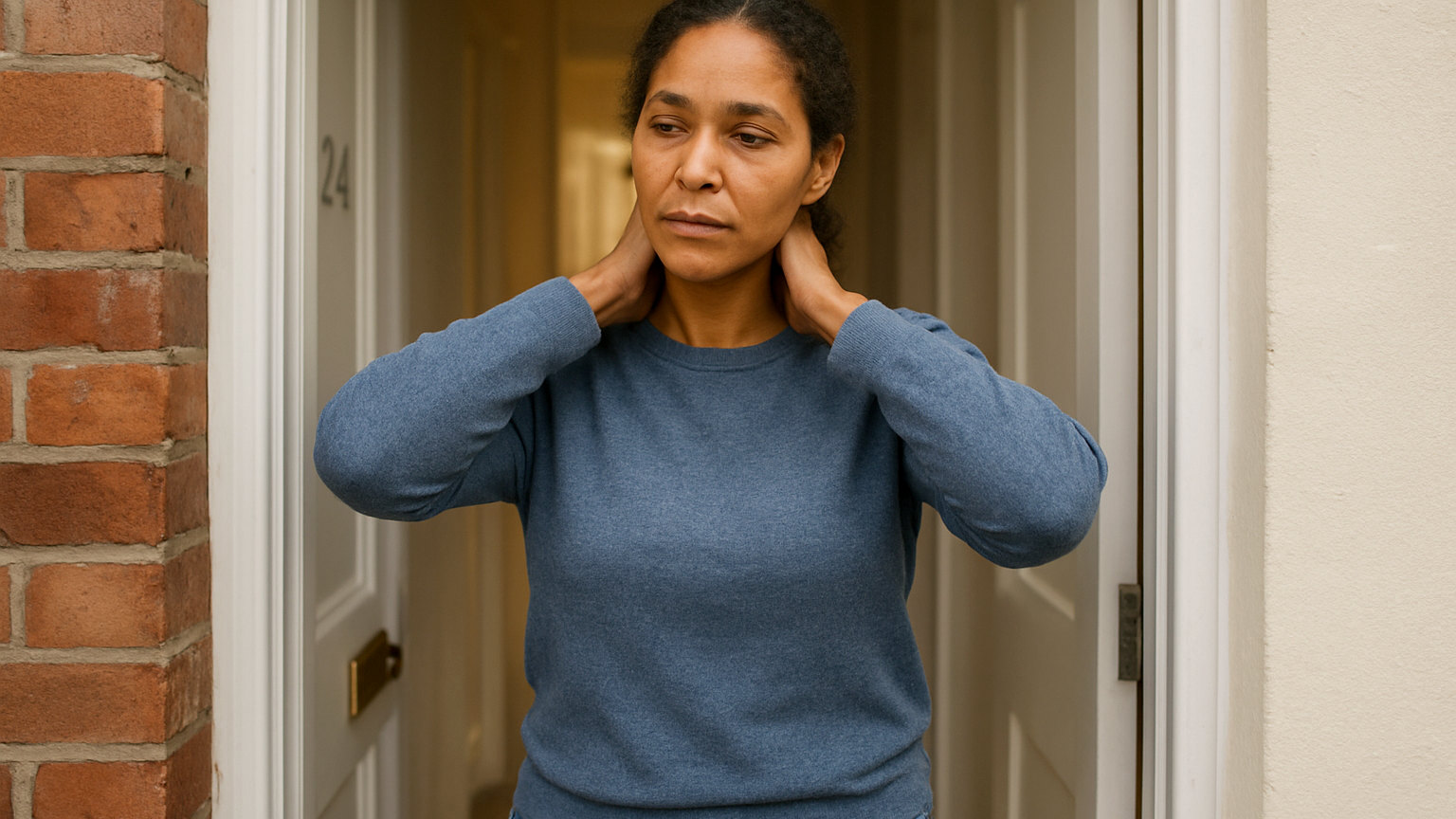
Emergency departments are not designed around mental health, and for some situations they remain the right place to go. Knowing what to expect makes a difficult experience somewhat more manageable.
When to go
If you have seriously harmed yourself and need medical treatment.
If you have taken more medication than prescribed, whether deliberately or accidentally, even if you feel well.
If you cannot keep yourself safe and there is no other immediate support available.
Call 999 if someone is in immediate danger or is unconscious.
Alternatives worth trying first
Where you are distressed but not physically injured, other routes are frequently faster and considerably less draining.
Your crisis team, using the number in your care plan.
NHS 111, choosing the mental health option, at any hour.
Crisis cafés and safe havens, which exist in many areas and are designed for exactly this.
Samaritans on 116 123 while you decide.
What happens on arrival
You will be assessed by a triage nurse who decides how urgently you need to be seen.
Any physical injury or medical need is treated first, which is why people sometimes feel their mental health is being overlooked.
You will then generally wait to be assessed by the mental health liaison team, who work within the hospital.
The wait
This is the part people find hardest, and being prepared for it helps.
Waits for mental health assessment can be long, sometimes many hours, and frequently longer than waits for physical treatment.
The environment is bright, noisy and busy, which is difficult when distressed.
Ask whether there is a quieter room available, since many departments have one. Ask how long the wait is likely to be, and tell staff if you feel unable to stay.
What the assessment involves
A conversation with a mental health professional about what has happened, how you are, and what support you have.
Questions about risk, which are routine and asked of everyone.
Questions about medication, alcohol, drugs and your living situation.
Answer honestly. People frequently minimise in order to be allowed home, which results in less support than they need.
Possible outcomes
Going home with a follow-up arranged, which is the most common outcome.
Referral to the crisis team for support at home.
Admission to a mental health ward, which is less common than people fear.
Referral to community services or back to your GP.
Before leaving, ask what has been arranged, who will contact you and when, and what to do if things deteriorate again.
What to bring
A list of your medication, or the packets.
Your care plan if you have one.
A phone charger, since the wait may be long.
Headphones, which help considerably with the noise.
Someone with you if at all possible, both for support and to speak for you if you cannot.
If you are treated badly
People do report poor treatment in emergency departments, particularly after self-harm, and this is a recognised problem rather than something you have imagined.
You are entitled to be treated with the same care as anyone else.
Ask to speak to the mental health liaison team directly, ask for a different member of staff, or contact PALS afterwards.
If you cannot face the wait
Tell staff rather than leaving without saying anything, since people who leave before assessment are at particular risk.
Ask whether there is a quieter area, whether anyone can sit with you, or how much longer it is likely to be.
If you do leave, contact someone: your crisis team, 111 choosing the mental health option, or Samaritans on 116 123.
If you are supporting someone
Stay with them if you can. The wait is considerably harder alone, and people frequently leave before being seen.
You can give staff information even where confidentiality limits what they tell you.
Ask about follow-up before you leave, since the period after attendance carries elevated risk.
This is general information rather than medical advice. In an emergency, call 999.