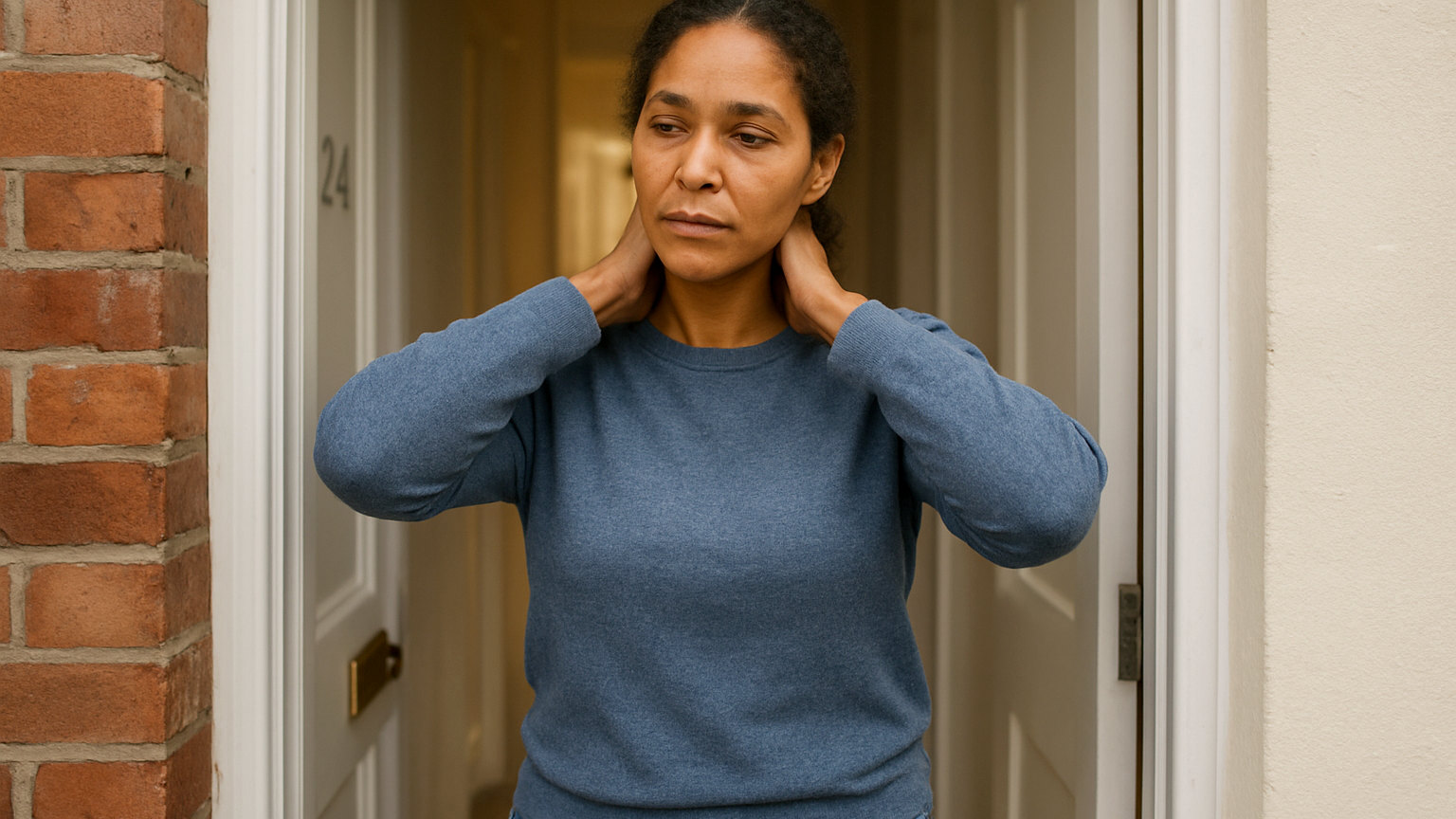
Attention concentrates on the crisis itself, and the weeks afterwards receive considerably less. That period is difficult, carries continuing risk, and is where the most useful work can be done.
How people feel afterwards
Exhausted, frequently for longer than expected. A crisis is physically depleting as well as emotionally.
Flat or numb rather than relieved, which surprises people who expected to feel better.
Ashamed, about what happened, about what was said, or about people having seen them that way.
Frightened that it will happen again.
Sometimes relieved, which can itself produce guilt.
All of these are common and none indicates that something has gone wrong.
Risk continues
Worth stating plainly. The weeks after a crisis, and particularly after discharge from hospital, carry elevated risk.
The immediate emergency passing is not the same as being well, and support dropping away at this point is a recognised problem.
If things deteriorate again, contact your crisis team, your GP, or 111 choosing the mental health option. Samaritans are on 116 123 at any hour.
What follow-up to expect
Contact from a mental health service shortly after discharge from hospital is standard practice.
A GP appointment, which is worth booking yourself if not arranged.
Referral to community services where appropriate.
Where nothing has happened within a few days, chase it rather than waiting. Contact your GP or the service involved.
Questions to ask
Who is responsible for my care now, and how do I contact them.
What is the plan, and when will I next be seen.
Has my medication changed, and who is prescribing it.
What do I do if this happens again, including at night and at weekends.
Ask for the answers in writing, since retention immediately after a crisis is poor.
Make a safety plan
The single most useful thing to do now, while it is fresh.
What were the warning signs, in sequence. What was building beforehand. What actually helped, and what did not.
This information is most accessible in the weeks afterwards and fades considerably later.
Ask your GP or care coordinator to help you write one.
Understanding what led to it
Worth doing gently and not immediately.
Crises usually have contributing factors rather than a single cause: sleep, alcohol, medication changes, an anniversary, an event, accumulating pressure.
Identifying them is useful. Interrogating yourself about why is not, and generally produces shame rather than insight.
Telling people
You decide who knows and how much, and you are not obliged to explain yourself to anyone.
Deciding a short form of words in advance makes the conversations considerably easier.
Telling one or two people properly is generally more useful than telling nobody, since crises kept entirely private tend to repeat.
Going back to ordinary life
Expect it to take longer than you think, and resume things gradually rather than all at once.
Where work is involved, a fit note can recommend a phased return or adjusted duties rather than full absence.
Keep the appointments, particularly once you start feeling better, which is when people cancel them.
Consider therapy
The period after a crisis is frequently when psychological treatment is most useful and least often arranged.
In England you can refer yourself to NHS Talking Therapies without a GP appointment.
Ask about it specifically, since it is not always offered.
Basics matter more than usual
Sleep, eating, daylight and contact with people all affect how the following weeks go.
Alcohol is worth avoiding during this period, since it worsens mood and increases impulsivity at a point when both matter.
Be patient with yourself
People expect to return to normal quickly and are frustrated when they cannot.
Recovery after a crisis is generally uneven, with better days followed by worse ones, and that pattern does not mean things are going wrong.
Judging progress month to month rather than day to day gives a considerably more accurate picture.
For families
Keep contact going past the first fortnight, when attention typically drops away.
You are entitled to support yourself. Rethink Mental Illness are on 0808 801 0525.
This is general information rather than medical advice.