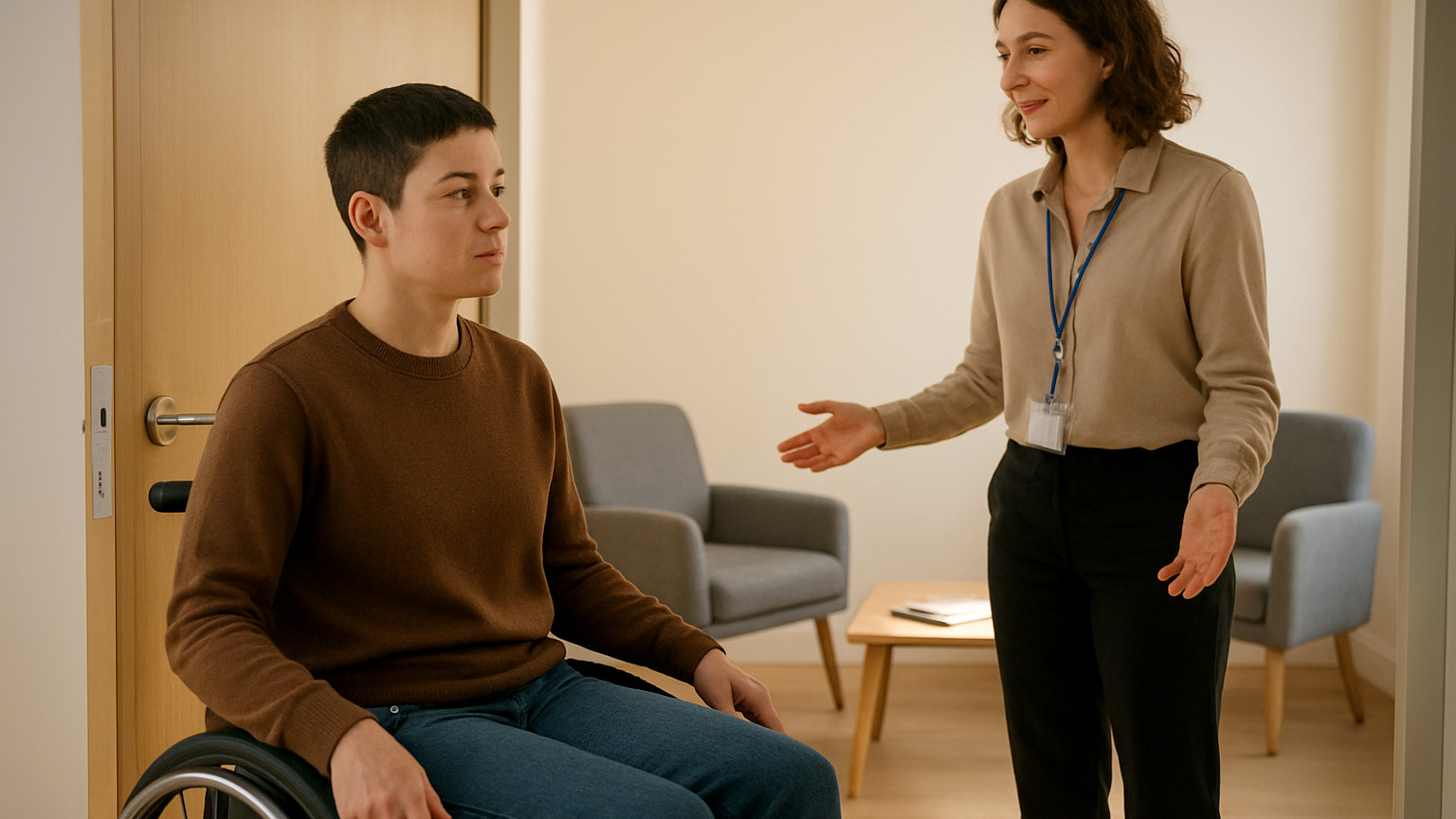
Health visitors are qualified nurses or midwives with additional training in community public health, and they are the most accessible mental health contact most new parents have. A surprising number of people are unsure what they are for, or assume they exist to check up on parenting.
What they are actually for
Supporting families with children under five, covering the baby health and development alongside parental wellbeing.
Maternal mental health is a core part of the role rather than an add-on. They are trained to identify postnatal depression and anxiety, and they see it constantly.
When you see them
The health visiting team usually takes over from the midwife around ten to fourteen days after birth.
Scheduled contacts typically include an antenatal visit in some areas, a new birth visit, a review at around six to eight weeks, and further reviews around one year and two to two and a half years. Exact schedules vary by area and by nation.
Between those contacts you can get in touch yourself. You do not have to wait for the next scheduled visit, and many teams run drop-in clinics.
What they ask about mental health
Expect direct questions about mood, anxiety, sleep and how you are managing. Many teams use brief questionnaires such as the Edinburgh Postnatal Depression Scale or short screening questions.
These are routine and asked of everyone. They are not a test you can fail, and answering honestly is the point of them.
Listening visits
Many health visiting teams offer structured supportive sessions, sometimes called listening visits, for mild to moderate postnatal depression.
These typically involve several sessions at home, providing space to talk with someone trained to support you. There is reasonable evidence for this approach, and it avoids the wait for formal therapy.
Availability varies considerably by area, and it is worth asking directly whether it is offered.
What else they can do
Refer you to your GP, to talking therapies or to specialist perinatal mental health services. Connect you with local groups, children centres and peer support.
Advise on feeding, sleep and practical difficulties that are contributing to how you feel. Help you access support for older children or for practical problems such as housing.
The safeguarding question
This is the concern that stops people speaking openly, and it deserves a direct answer.
Health visitors do have safeguarding responsibilities, and those are triggered by a child being at risk of significant harm rather than by a parent having a treatable illness.
Telling a health visitor that you are depressed, anxious, exhausted or experiencing intrusive thoughts is not, in itself, a safeguarding matter. These are exactly the things they are asking about, and the purpose is to arrange support.
Where concerns do arise, the usual response is additional support rather than removal. Concealing symptoms is riskier, because untreated illness continues.
How to get the most from a visit
Write things down beforehand, since visits go quickly and it is easy to forget what you meant to raise.
Say the difficult thing early rather than at the door. If you cannot say it aloud, handing over a written note is entirely acceptable and something they encounter regularly.
Ask your partner to be present if that helps, and ask for the visit to happen without other family members present if that would make you more honest.
If the relationship is not working
You can ask to see a different health visitor within the team. You can also go directly to your GP, or self-refer to NHS Talking Therapies in England without involving anyone else.
If you feel your concerns have been dismissed, say so plainly and ask what would need to happen for further support.
Contacting them
Your local health visiting team number is usually in your baby red book. GP surgeries and children centres can also provide it.
This is general information rather than medical advice. If you are struggling, contact your health visitor this week, and Samaritans are on 116 123 at any hour.