Depression is not a normal part of ageing, and treating it as one is the main reason it goes unrecognised in older adults. It is common, it presents differently, and it responds to treatment as well in later life as at any other age.
Why it gets dismissed
The reasoning sounds reasonable and is wrong: someone has lost a spouse, has arthritis and lives alone, so of course they are low.
Difficult circumstances raise the risk of depression rather than explaining it away. Understandable does not mean untreatable, and most people in similar circumstances do not develop the full picture.
How the presentation differs
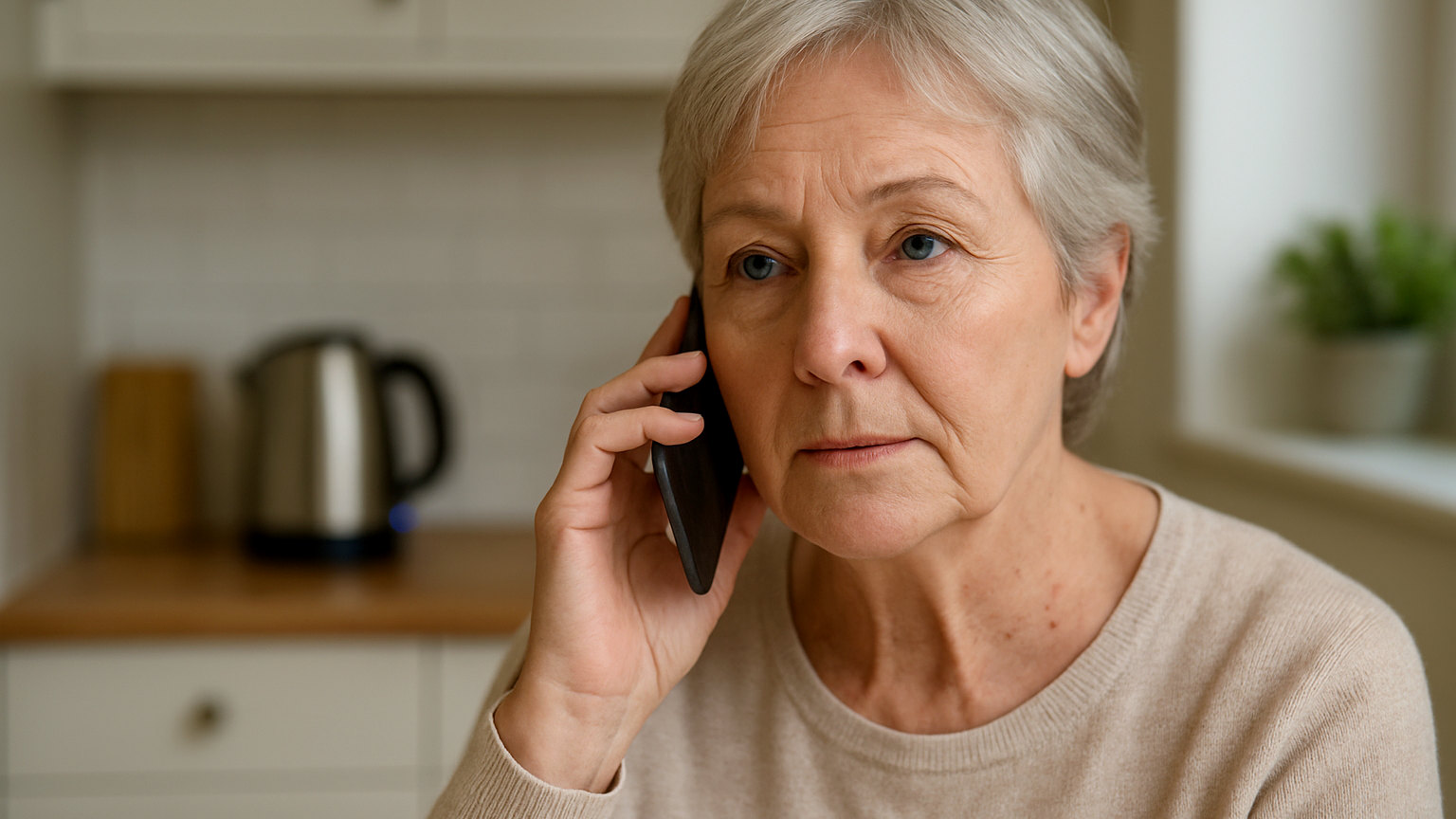
Older adults are less likely to describe themselves as sad and more likely to present with physical complaints: pain, fatigue, digestive problems, dizziness.
Loss of interest is often more prominent than low mood. Anxiety and agitation are frequent. Irritability is common, particularly in men. Preoccupation with health, and unexplained symptoms that do not settle, appear regularly.
The confusion with dementia
Depression in older adults commonly produces memory problems, poor concentration and slowed thinking severe enough to resemble early dementia.
Some features tend to differ. People with depression usually complain about their memory in detail and are distressed by it, while people with early dementia more often minimise it. Depression tends to have a more identifiable onset over weeks, dementia a gradual decline over years.
This distinction is not one to make at home. The two frequently coexist, and depression is treatable, which is a strong argument for proper assessment rather than assuming the worst.
Physical causes and medications
Several conditions produce depressive symptoms and are more common with age: thyroid disease, vitamin B12 deficiency, anaemia, Parkinson disease, and the period after a stroke.
Medication matters too. Some drugs used for blood pressure, some for Parkinson disease, steroids and certain others list low mood among their effects. Polypharmacy is common in later life and a medication review is worth requesting.
Loss and isolation
Later life frequently involves accumulating losses: bereavement, reduced mobility, loss of driving, loss of role after retirement, and a shrinking social circle.
Loneliness is a significant risk factor and is common. Reduced mobility compounds it by making contact harder to maintain, which is why social prescribing and practical support with transport often do more than they appear to.
Grief and depression together
Bereavement is common in later life and grief is not an illness. It becomes worth assessing when it includes persistent worthlessness, pervasive loss of interest beyond the loss itself, or thoughts of not wanting to continue.
Grief and depression can occur together, and having a reason to be sad does not preclude also being depressed.
The suicide risk in older men
Suicide rates are elevated in older men, and warning signs are frequently missed because withdrawal and low mood are attributed to age.
If someone is talking about being a burden, giving possessions away, or expressing that others would be better off, take it seriously and ask directly. Samaritans are on 116 123 at any hour, free from any phone. If someone cannot be kept safe, call 999.
Why treatment is worth pursuing
Older adults respond well to both talking therapy and medication. Age is not a reason to expect less benefit, and NHS Talking Therapies accept referrals at any age.
Prescribing does require more care, since older bodies process drugs differently and interactions with existing medication matter, so doses are often started lower and increased slowly.
How to raise it
Ask a GP for a longer appointment if possible. Describe the practical changes: stopped going out, not eating properly, not sleeping, no interest in anything, giving up activities that used to matter.
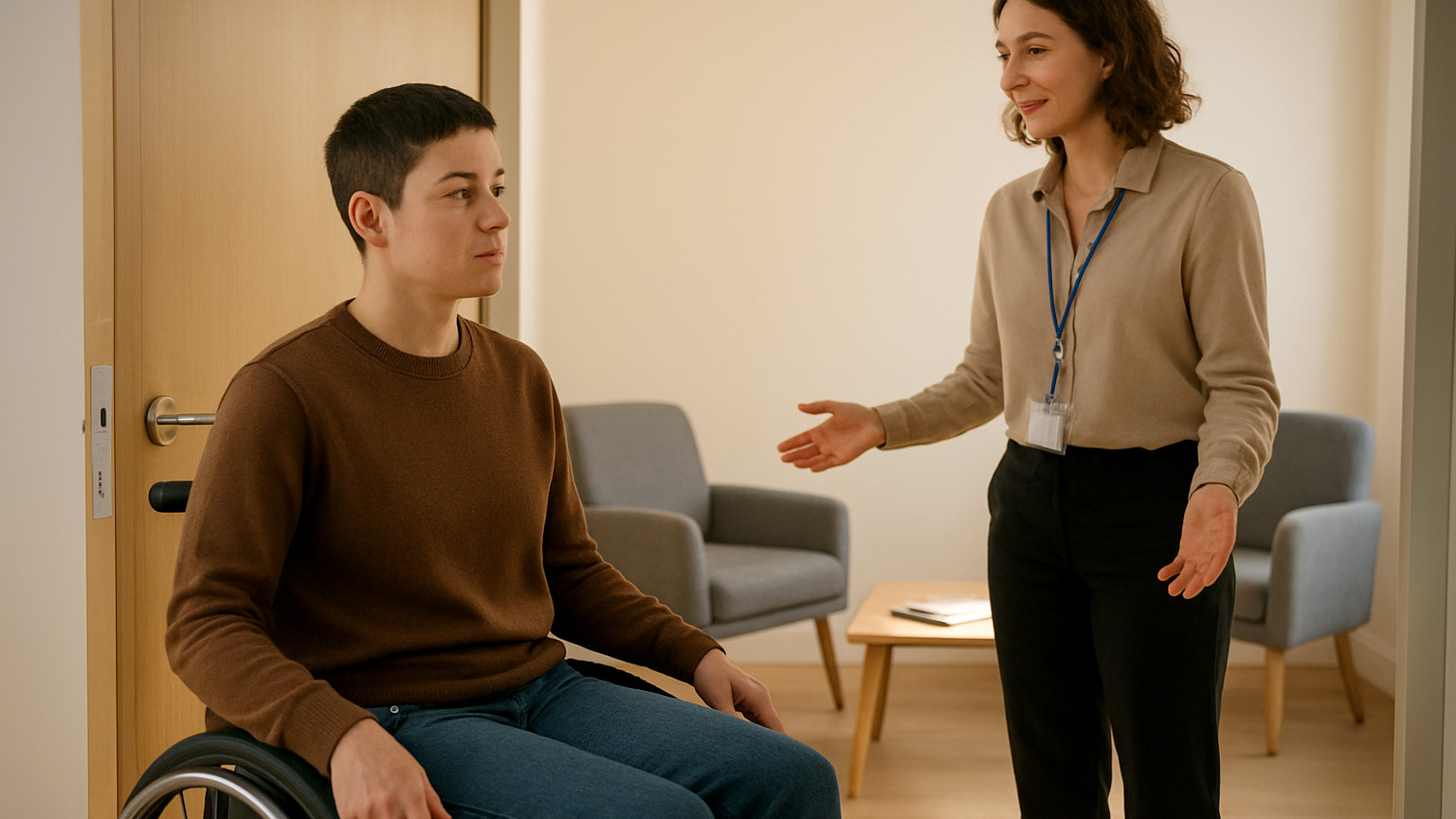
Family members can raise concerns with a GP even if the person is reluctant, and a home visit can sometimes be arranged where mobility is the barrier.
This is general information rather than medical advice. If you are worried about an older relative, speak to their GP, and Age UK offer advice on 0800 678 1602.