
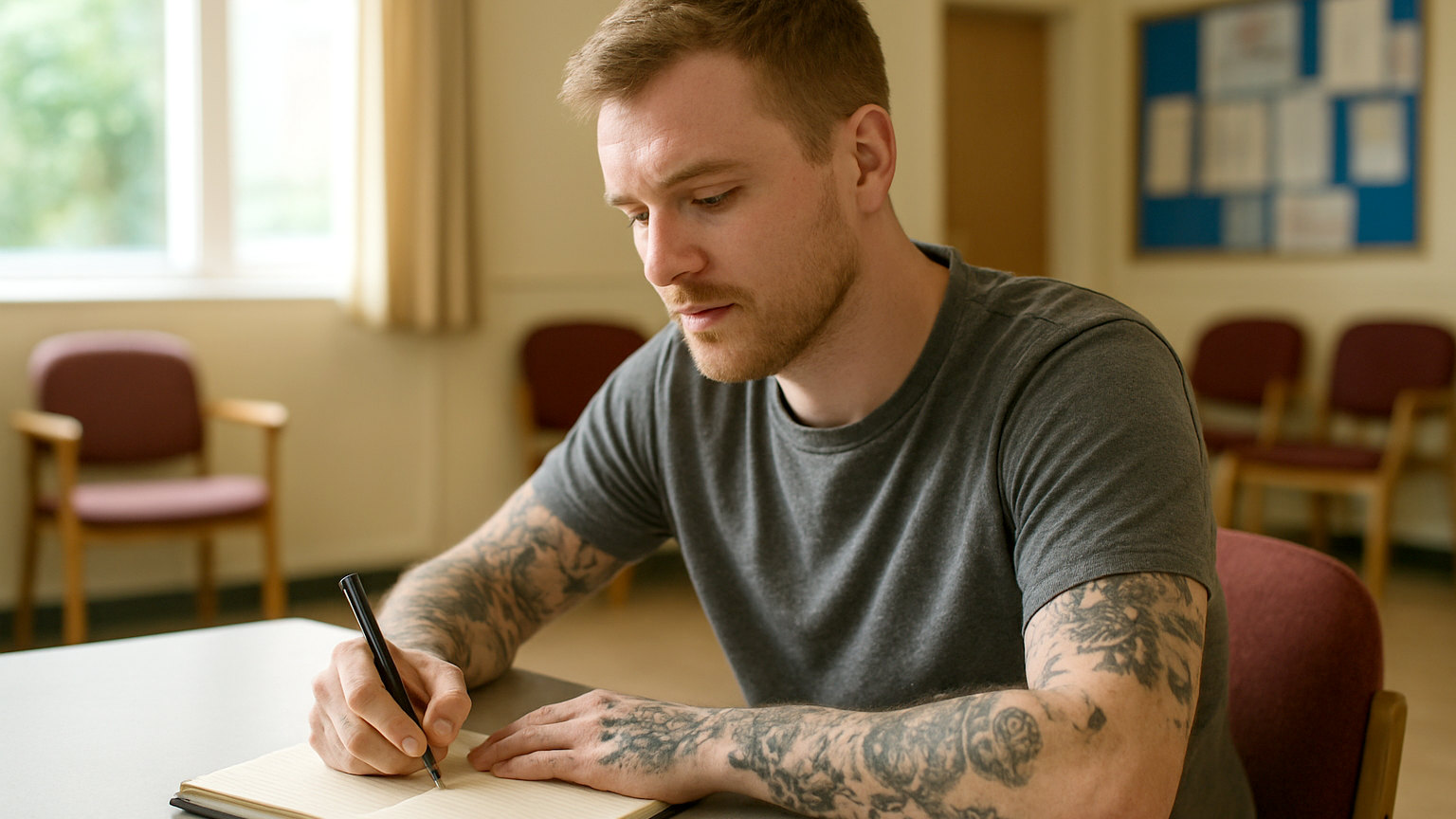
Moral injury describes the lasting damage that follows from doing, witnessing or failing to prevent something that violates your own deeply held moral beliefs. It is not a formal diagnosis, and it names something that a great many people recognise immediately.
How it differs from PTSD
PTSD is fundamentally organised around fear and threat. The core symptoms involve re-experiencing danger and a persistent sense of current threat.
Moral injury is organised around guilt and shame. The dominant experience is not I am in danger but I did something unforgivable, or I failed when it mattered.
They frequently coexist, and the distinction matters because treatments aimed purely at fear may not address the moral component.
The three routes into it
Perpetration: doing something that violates your own values, whether by action, error or necessity.
Witnessing: seeing something wrong happen and being unable to prevent it, or being present while others acted wrongly.
Betrayal: being let down by people or institutions with a duty of care, particularly leadership. This route is frequently the most damaging and the least anticipated.
Who it affects
It was first described in military contexts, where decisions with permanent consequences are made under impossible conditions.
It has since been widely described in healthcare, particularly where staff were unable to provide the care they believed patients needed, or made decisions under resource constraints they did not choose.
Also in social work, teaching, policing, emergency services and journalism. Anywhere a person holds responsibility without the means to meet it.
What it looks like
Persistent guilt and shame that do not respond to reassurance. Self-condemnation and a belief that you are fundamentally bad or unforgivable.
Loss of trust in institutions, colleagues or in the idea that the world is fair. Loss of meaning in work that previously mattered.
Withdrawal from others, particularly from anyone who might judge. Self-punishing behaviour, including sabotaging things that would go well.
Difficulty forgiving yourself even where nobody else holds you responsible.
Why reassurance does not work
Being told it was not your fault frequently makes things worse, because it feels like being let off rather than being understood.
Where someone genuinely did contribute to a bad outcome, insisting otherwise dismisses their moral seriousness. This is why standard reassurance so often fails here, and why the approach needs to differ.
Moral distress and its accumulation
A related idea from healthcare is moral distress: knowing the right thing to do and being prevented from doing it by constraints beyond your control.
Where this repeats over years, the residue accumulates. Many people describe leaving professions they loved without being able to explain exactly why, and moral distress frequently turns out to be the reason.
What helps
Being heard by someone who does not immediately reassure. Acknowledgement of the moral weight rather than dismissal of it.
Working through what was genuinely within your control at the time, using the information actually available rather than what was learned afterwards.
Making amends where that is possible and meaningful, and finding some form of repair or contribution where direct amends are not.
Reconnecting with the values that were violated, since the injury exists precisely because those values are strongly held.
Treatment approaches
Where PTSD is present alongside, trauma-focused therapies are appropriate and should address the guilt and shame explicitly rather than only the fear.
Adapted approaches exist that focus specifically on the moral component, and asking about them is reasonable if standard treatment has not addressed the guilt.
For some people, support from a chaplain, faith leader or peer group with shared experience does what a clinical setting cannot.
Where to get support
Combat Stress are on 0800 138 1619 for veterans and their families. Occupational health and staff support services exist in most healthcare and emergency service organisations.
If you are having thoughts of ending your life, tell someone today. Samaritans are on 116 123 at any hour, or text SHOUT to 85258.
This is general information rather than medical advice.


